Propagation
Propagation Stations
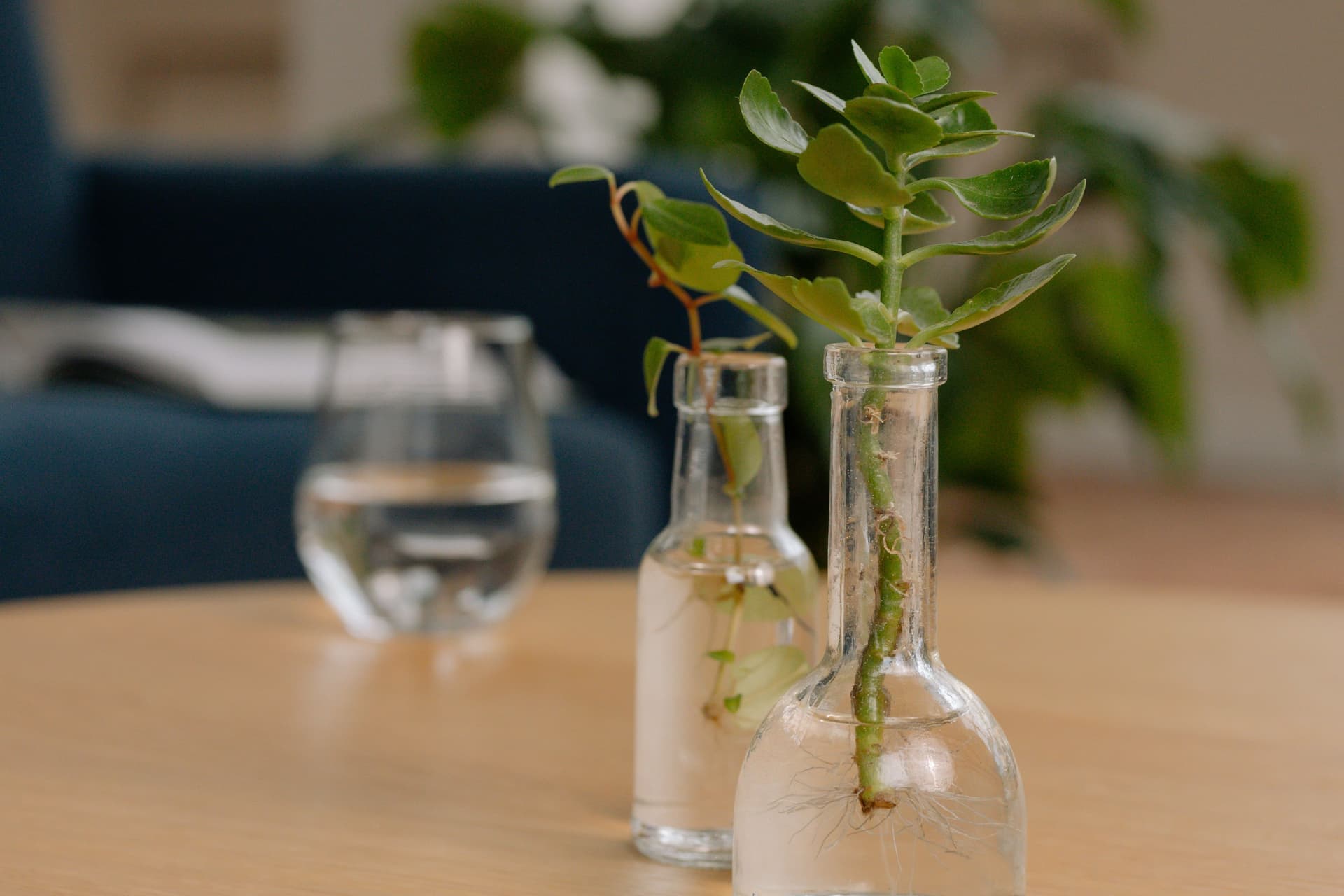
The cheapest way to have more plants is to make them. Five cuttings take up a third of a square foot, which is less space than one pot and costs nothing at all.
By Scooter M., enthusiast · Published · Last updated
The short answer
For most apartments a five-vessel desktop station is the right first purchase: it holds five cuttings on roughly a third of a square foot, needs no fixings, and sits in the light you already have. Buy a wall station only once you know you will keep propagating — and if you rent, price the adhesive hooks into the decision, because a loaded 21-tube station is heavier than the hooks most people reach for.
Disclosure Pot & Prop earns a commission when you buy through the Amazon links on this page, at no extra cost to you. It does not change which products get recommended or what we say about them, and we have not been given any of them. How this site is funded.
Propagation is the only part of this site where the plants are free. A pothos cutting is a length of stem you were going to throw away; six weeks in water and it is a plant you would otherwise have paid for. In a small apartment that matters more than it does in a house, because the binding constraint is not money, it is space — and this is the highest plant density per square foot available anywhere in the apartment. A five-jar desktop station on a 12 by 4 inch footprint puts five plants on a third of a square foot. The most efficient plant stand on this site manages about three and a half.
The catch is mounting. Roughly half of this category is designed to hang on a wall, and wall-hung is exactly what a rented apartment makes difficult. The 21-tube stations are the most striking objects in the category and also the heaviest once filled, which is why every wall page here carries the arithmetic for hanging one without drilling. The same numbers, applied to plants rather than glassware, are in the renter-safe hanging guide.
How to choose within this category
Three questions, and the third one is the one people answer last and should answer first.
- Vessel width, which decides what you can propagate. A test tube takes a pothos or a tradescantia cutting and nothing thicker. A wide-mouth jar takes a monstera node with an aerial root attached. If you own a monstera, tubes are the wrong purchase however good they look.
- Where it will live, which is really a light question. Cuttings root faster in bright indirect light, and the station has to go somewhere that has some. A desktop station can move to the light; a wall station commits you to one spot forever.
- Whether you can mount it. A wall station needs a fixing. In a rented apartment that means adhesive hooks with a published rating, and the rating has to clear the loaded weight of the station — glass and water are not light. This is the question that decides between the two halves of this category.
What a loaded station actually weighs
This is the number the category never publishes, and it is easy to work out. Water is 62.4 lb per cubic foot, which is about 8.3 lb per US gallon or roughly 0.52 lb per cup. A 20 ml test tube holds about 0.04 lb of water; a wide-mouth jar with a cup of water in it holds about half a pound. So a 21-tube station full of water carries under a pound of water, and its weight is almost entirely the frame and the glass — which is why the honest answer for a wall station is that the glass, not the water, is what your hook has to hold, and why you should weigh the empty station rather than guessing.
weight of water = volume x 62.4 lb/ft^3
21 tubes x 20 ml = 420 ml = 0.0148 ft^3 -> 0.0148 x 62.4 = 0.93 lb of water
Under a pound. On a wall station the load is the frame and the glass, not the contents — so the figure to check against a hook rating is the shipped weight, which most listings do publish.
What the small-space constraint changes
In a house, propagation is a hobby you do on a bench. In an apartment it is a way of getting more plants without more floor, and that reframes every choice. Vertical beats horizontal, so wall stations look attractive until the fixing problem bites. Visible beats hidden, because a station on a shelf is a decorative object and a station in a cupboard is forgotten and goes cloudy. And small beats ambitious: five vessels you actually top up beat twenty-one you inspect once a month.
There is also an end state to plan for. Cuttings root, and then they need pots — the whole point of propagating is that in two months you have five more plants that need five more homes. That is a genuine cost and a genuine space commitment, and it is why this section links so heavily to planters with drainage rather than pretending the water phase is the whole story.
What we deliberately do not recommend
Sealed or narrow-necked decorative vessels you cannot get a hand or a brush into. Every propagation vessel goes cloudy — that is algae and it is normal — and the ones you cannot clean get thrown away. We also do not recommend buying a 21-tube wall station as a first purchase: it is the most photographed thing in the category and the most likely to sit half empty, because it turns out that having twenty-one cuttings requires having twenty-one places to put twenty-one rooted plants.
Start here
If this is your first station, go to the best propagation stations — the desktop ones. If you already know you want it on the wall, wall stations has the mounting worked out. If you are undecided, wall against desktop is the short version of that argument. If the honest obstacle is that every bright position in the apartment is already occupied, lit propagation stations make a position instead of competing for one.
The picks this category starts with
We have not handled any of these. What follows is what each listing publishes, what that means once you put a watered pot on it, and who should buy something else.
1. Cuttings you want to actually watch root
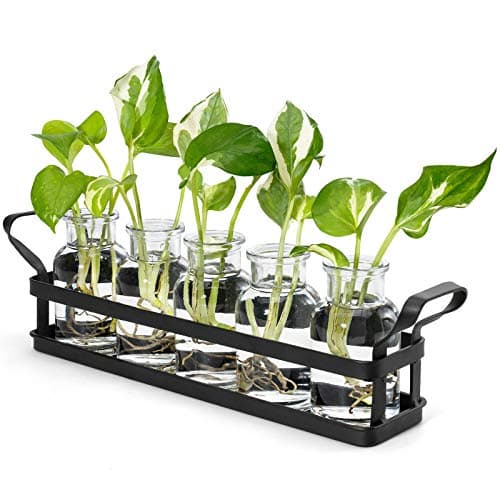
Mkono 5 Jar Desktop Propagation Station with Stand
Wide-mouth jars rather than narrow test tubes, which is the difference between changing the water in ten seconds and fishing a cutting out with tweezers.
#ad · Price as of October 18, 2026. How we are funded
- What the listing publishes
- Five wide-mouth glass jars in a stand; wide openings for water changes
- Against a 10-inch pot
- No weight rating is published for this product, so there is nothing to check. That counts against it here rather than being treated as neutral.
Neck diameter is the specification nobody compares and everybody feels. A narrow tube means you cannot get a finger in to clean the algae, and algae is what ends most propagation stations.
Five jars on roughly a 12 by 4 inch footprint is a third of a square foot for five cuttings, the densest thing on the site by a wide margin, because water weighs less than mix.
Wide jars also take a thicker cutting. A monstera node with an aerial root does not fit a 15 mm test tube.
What is good
- Wide mouths make water changes and cleaning trivial
- Fits thick cuttings and aerial roots
- Five positions in a third of a square foot
What is not
- Wider jars mean more water and more evaporation surface
- Jars lift out, which is convenient and also means they get knocked out
- Glass on a desk with a cat is a decision
Skip it if you are rooting thin herb cuttings in bulk. Narrow tubes hold more cuttings per inch and use a fraction of the water.
2. Propagating at volume
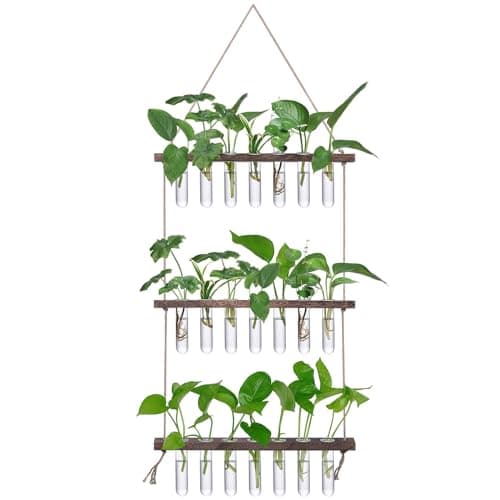
XXXFLOWER Wall Hanging Propagation Station, 21 test tubes, 3 tiers
Twenty-one positions, which stops being a decoration and starts being a production line, and puts real weight on one wall fixing.
#ad · Price as of October 18, 2026. How we are funded
- What the listing publishes
- 21 glass test tubes across three tiers on a wall-hung frame
- Against a 10-inch pot
- No weight rating is published for this product, so there is nothing to check. That counts against it here rather than being treated as neutral.
Twenty-one full test tubes is a meaningful load hanging off whatever the frame is screwed into. Water alone at 20 ml a tube is under a pound, but the frame, glass and cuttings add up and it all bears on one or two points.
At this scale the maintenance is the constraint, not the space. Twenty-one tubes is twenty-one water changes, and stations this size are usually half empty within a season.
Buy it if you propagate to give away or to sell. Buy five tubes if you propagate for yourself.
What is good
- Twenty-one positions on no floor at all
- Three tiers keep every tube reachable
- Genuinely useful if you propagate in batches
What is not
- Needs a wall fixing
- Twenty-one tubes is twenty-one water changes
- Most buyers will never fill it
Skip it if you take a cutting or two a season. This is production equipment, and five tubes on a desk is the honest size.
3. Thin cuttings, minimum water, minimum space
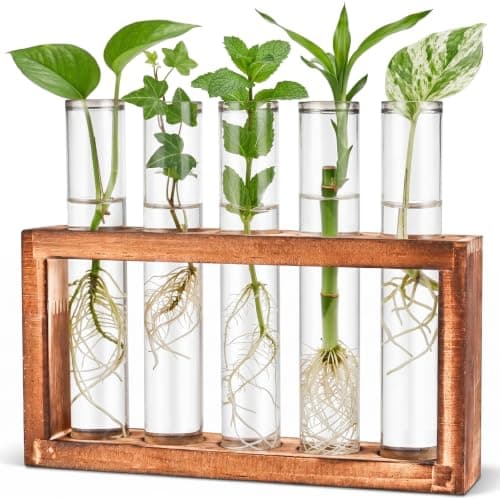
Tigvio 5 Test Tube Desktop Propagation Station, wooden stand
The narrow-tube format: less water, less evaporation, more cuttings per inch of desk, and a real limit on how thick a cutting it takes.
#ad · Price as of October 18, 2026. How we are funded
- What the listing publishes
- Five glass test tubes in a wooden rack
- Against a 10-inch pot
- No weight rating is published for this product, so there is nothing to check. That counts against it here rather than being treated as neutral.
A test tube holds a fraction of what a jar does, which means the water goes stale faster and needs changing more often, not less. Small volume is not less maintenance.
Five tubes on about 10 by 3 inches is a fifth of a square foot. Nothing else on this site puts five living things in that.
Tubes suit pothos, tradescantia, philodendron and herb cuttings. They do not suit monstera, and forcing a thick node into one snaps the aerial root.
What is good
- The smallest footprint of any propagation format here
- A wooden rack is stable and does not slide
- Cheap enough to buy two
What is not
- Small water volume goes stale quickly
- Too narrow for thick cuttings
- A tube rack tips if a cutting grows tall and leans
Skip it if you are propagating monstera. The node and its aerial root will not fit, and a wide jar is the right tool.
Everything in this category
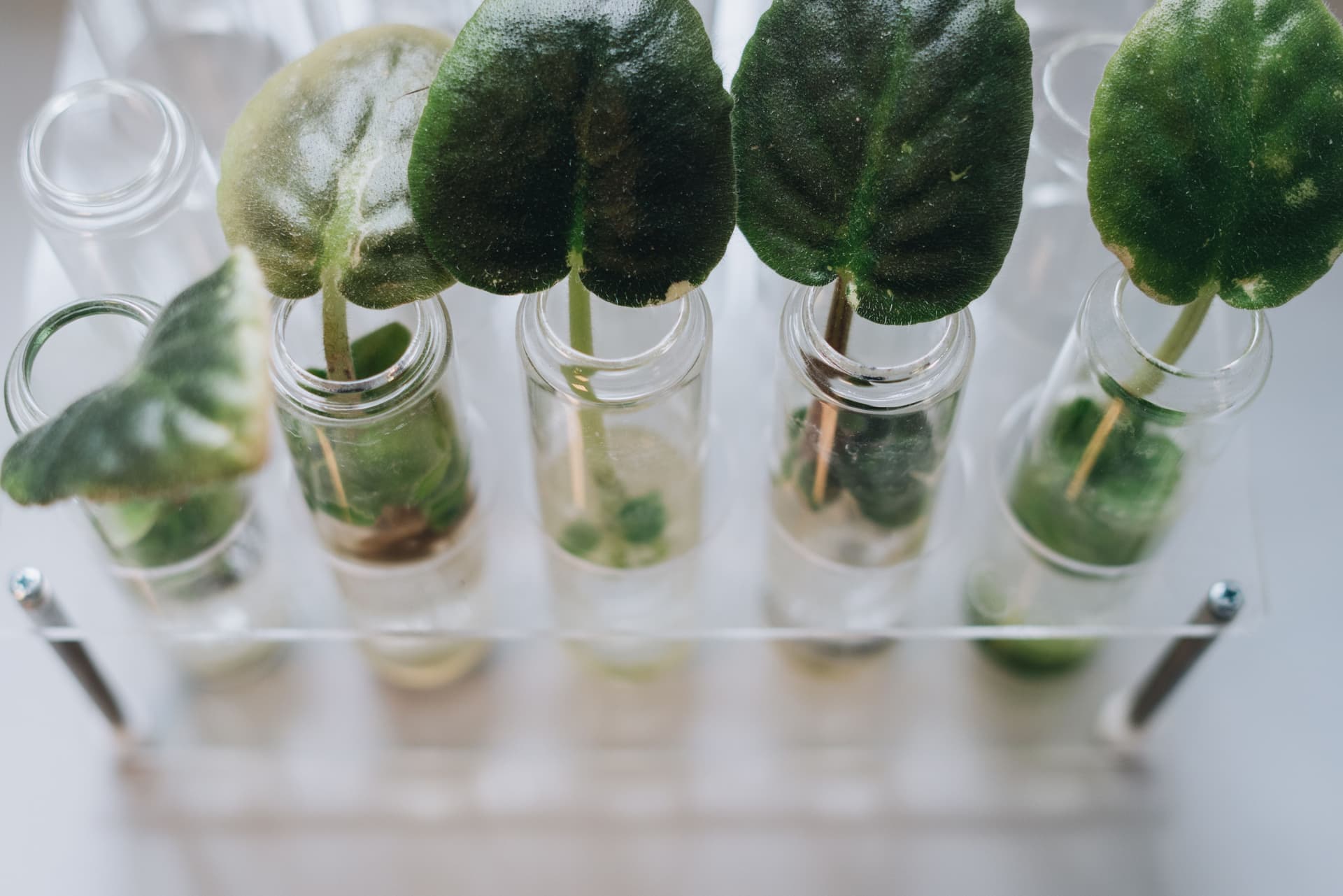
Best first station
The Best Propagation Stations
Desktop stations from five-jar racks to 24-tube benches, ranked by vessel opening width, footprint and cuttings per square foot.
Top pick: Mkono 5 Jar Desktop Propagation Station with Stand
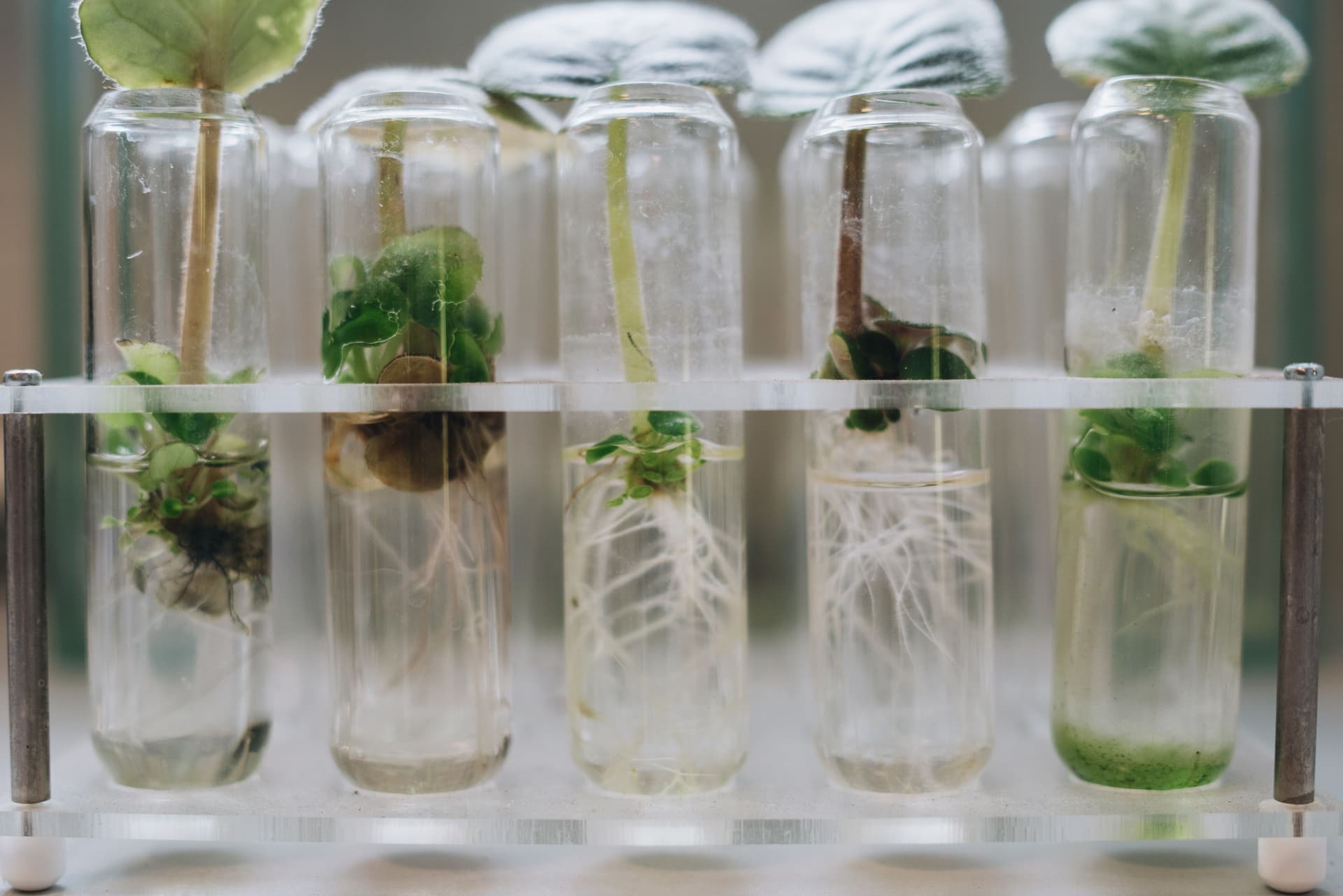
Best wall station
The Best Wall Propagation Stations
Three-tier tube stations and hanging vases ranked by cuttings held, plus the adhesive-hook ratings needed to mount each one without drilling.
Top pick: XXXFLOWER Wall Hanging Propagation Station, 21 test tubes, 3 tiers
Head to head
Wall or Desktop Propagation Station?
The trade between a wall-hung station that uses no surface and a desktop one that can move to the light, with the renter constraint made explicit.
Head to head
Glass or Ceramic Propagation Station?
Why transparency is a functional property in a propagation vessel rather than a style choice, and when an opaque ceramic station is still the right buy.
Best vase set
The Best Propagation Vase Sets
Loose glass vases and bulk test tube sets for propagating without a stand, ranked by opening width and how well they work as a group.
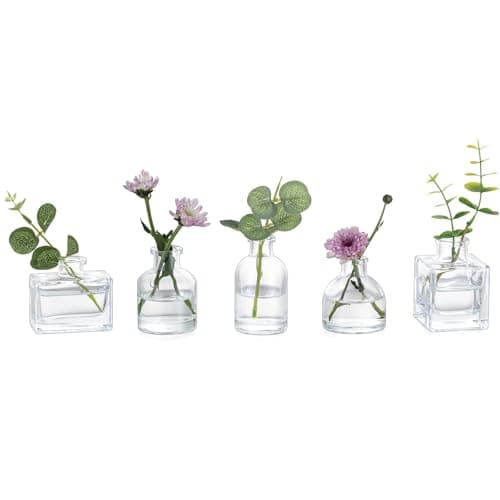
Top pick: Glasseam Mini Glass Propagation Vases, set of 5
Best lit station
The Best Propagation Stations with Grow Lights
Propagation stations with built-in LED lighting, ranked by vessel width, published dimming control and whether they need to live near an outlet.
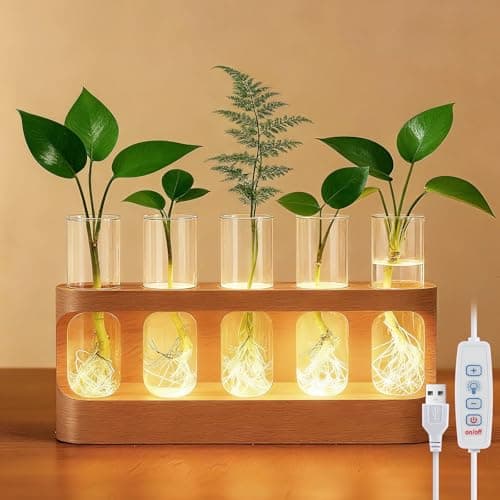
Top pick: Tigvio Propagation Station with 9-Level Dimmable LED, 5 test tubes
Best rooting hormone
The Best Rooting Hormone for Plant Cuttings
Rooting hormones ranked on published IBA concentration, with the extension guidance on when a cutting needs one at all.
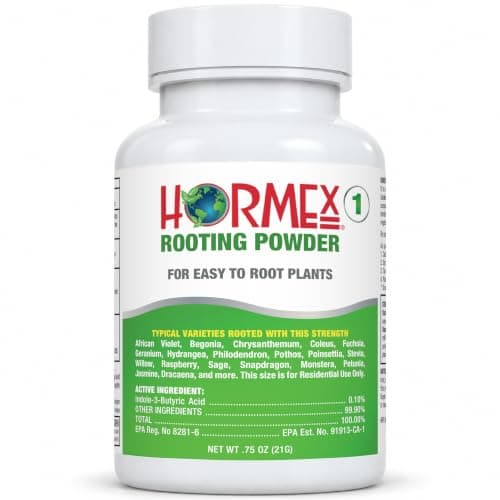
Top pick: Hormex Rooting Hormone Powder #1, 0.10% IBA, for softwood cuttings
Best LECA
The Best LECA Clay Pebbles for Plants
LECA clay pebbles ranked on quantity and published grading, with the nutrient and transition problems the category does not mention.
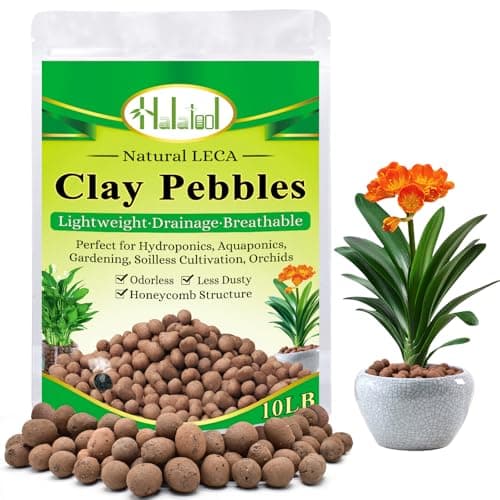
Top pick: Halatool LECA Clay Pebbles, 10 lb, 4 to 16 mm
$25.99 · 12% off
Best pruning shears
The Best Pruning Shears for Houseplants
Houseplant pruning shears and snips ranked on published blade length and tip geometry, with the hygiene routine propagation actually needs.
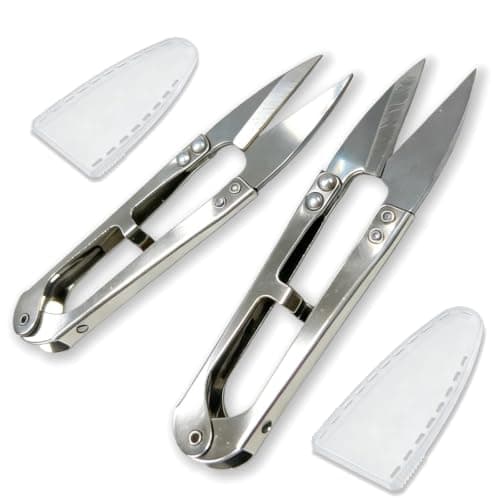
Top pick: surgewin Mini Bonsai Snips, 4.1 in blades, 2 pack
Head to head
Water, Mix or LECA: Where Should a Cutting Root?
The three rooting media compared on speed, transplant survival, cost and which plants suit each, with the kit for all three routes.
The guides behind these picks
The arithmetic and the reference tables the recommendations on this page are built from. All of it is on the methodology page too, in one piece.
Guide
How to Use a Propagation Station
The full process from cutting to potted plant, with the node rule, the waterline rule and the point at which a cutting should leave the water.
Guide
Where to Put a Propagation Station
How to choose a spot for cuttings in a small apartment, and why the position you pass daily beats the technically ideal one.
Guide
How to Propagate a Monstera
Cutting, rooting and potting a monstera, including the vessel-width problem that catches most first-time propagators.
Guide
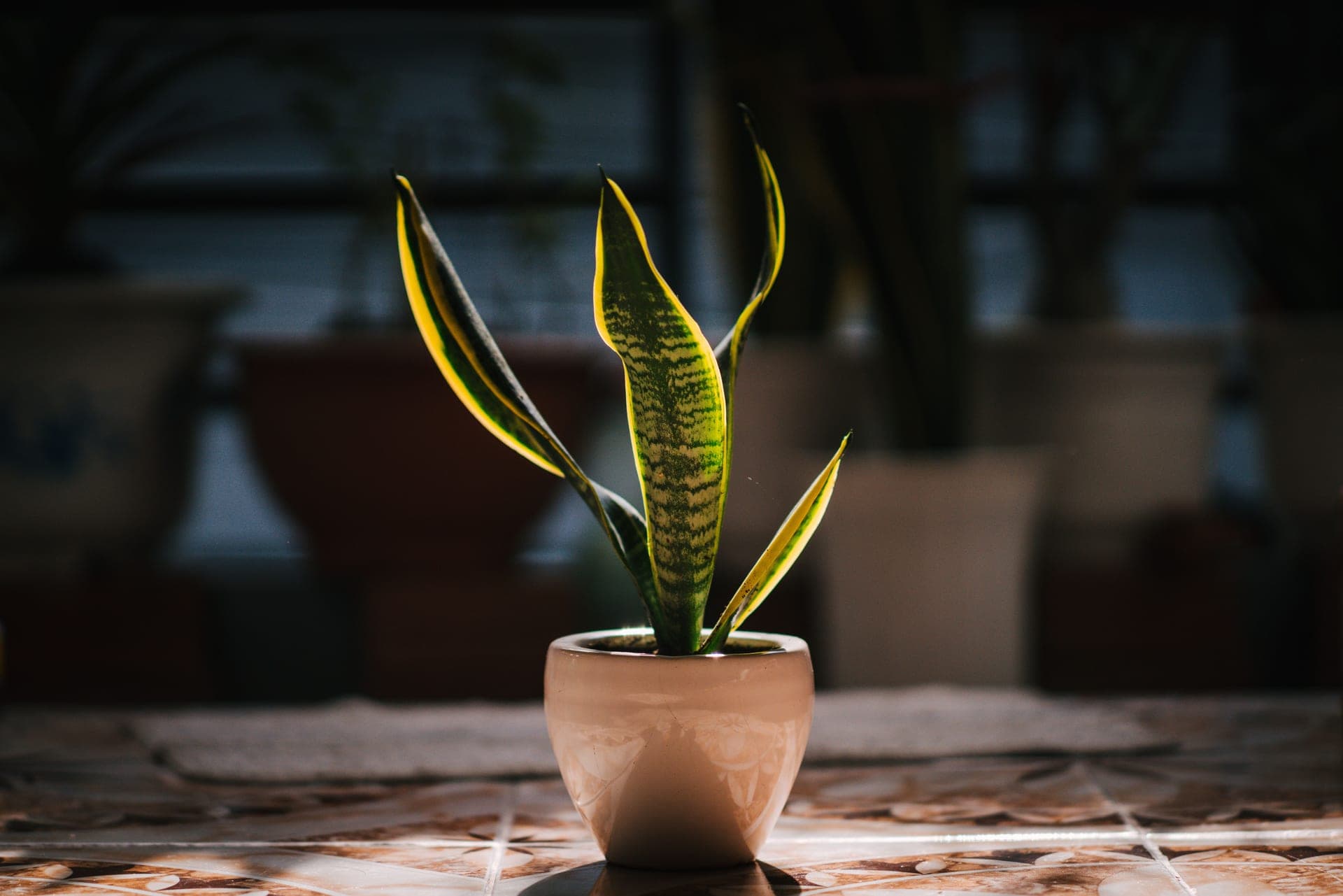
How to Propagate a Snake Plant
Water, soil and division methods for snake plants, with the variegation catch and a realistic account of how long each takes.
Guide
How to Build a DIY Propagation Station
Three propagation station builds from parts, with the components each needs and an honest account of which are worth the effort.
Questions people actually ask
How long does it take to root a cutting in water?
How many cuttings fit in a small apartment?
Do propagation stations need direct sunlight?
How often should I change the water?
Sources
- University of Illinois Extension: Houseplants — propagation
- Clemson HGIC: Indoor Plants — watering
- Cornell University, Greenhouse Management: bulk density of greenhouse media components
- Biology Insights: how much a cubic foot of potting soil weighs, dry and saturated
Product specifications are quoted from each seller's own listing and are the seller's claim, not a measurement of ours.