Propagation
The Best LECA Clay Pebbles for Plants
An inert medium that holds no nutrients at all. That single fact decides whether it is the best thing you will do for your plants or a slow way to starve them.
By Scooter M., enthusiast · Published
The short answer
LECA is fired clay: inert, pH-neutral, reusable, and containing no nutrients whatsoever. That makes it excellent for rooting cuttings and for chunky-rooted plants like orchids and aroids, and it makes semi-hydroponics a commitment rather than a swap, because a plant in leca is on hydroponic feed permanently or it slowly starves. Every bag in the category publishes the same 4 to 16 mm range and none publishes the distribution within it, so choose on quantity: a 2 lb bag is one pot or a propagation tray, and converting a collection is a 10 lb purchase. Do not use it as a drainage layer at the bottom of a soil pot.
Disclosure Pot & Prop earns a commission when you buy through the Amazon links on this page, at no extra cost to you. It does not change which products get recommended or what we say about them, and we have not been given any of them. How this site is funded.
LECA stands for lightweight expanded clay aggregate, and the manufacturing is genuinely clever: clay is fired until it puffs up like popcorn, leaving a hard shell around a honeycomb of sealed air pockets. The result is a pebble that is light, strong, porous enough to wick water upward, and completely inert.
That last word is the whole page. Inert means it does not break down, does not change pH, does not harbor fungus gnat larvae, and does not feed your plant anything at all. Every advantage and every problem with the medium comes out of that one property, and the listings tend to publish the advantages.
The specification nobody publishes
Open any leca listing and you will find the same figure: 4 to 16 mm. Every bag reviewed here states it. None of them states what fraction of the bag is at each end of that range, and that is a fourfold spread in diameter — roughly a sixtyfold spread in volume per pebble.
It matters because pebble size decides what the medium is fit for. Small pebbles pack tightly, wick higher, and suit small net pots and fine-rooted plants. Large pebbles leave big air gaps, wick less, and suit orchids, aroids and anything with thick roots. A bag that is mostly 5 mm and a bag that is mostly 15 mm are different products sold under identical specifications.
How semi-hydroponics actually works
The setup is the double-pot method with the water deliberately left in. An inner pot full of leca, with drainage holes, sits inside a watertight outer container. You fill the outer container with nutrient solution to roughly a quarter to a third of the inner pot's height. The pebbles wick moisture up above that line, so the roots sit in damp, airy medium rather than in water.
- Rinse the leca thoroughly before first use. Every listing here says so, and the reason is fine clay dust that will otherwise cloud the reservoir and settle as sludge.
- Soak it. Dry pebbles pull water out of the reservoir and away from roots until they are saturated. Soaking first means the medium starts wet and the wicking works from day one.
- Put the plant in an inner pot with holes, filled with leca around the roots rather than packed against them.
- Stand it in the outer container and fill to about a quarter of the inner pot's height with nutrient solution, never higher.
- Let the reservoir run dry before refilling. The dry period is the oxygen period, and skipping it produces exactly the root rot the medium was chosen to prevent.
- Flush the whole thing with plain water every few weeks, because an inert medium accumulates the salts a soil mix would partly buffer.
A clear inner pot makes the water level visible, which is why a pack of clear nursery pots is on this page. It is the same reasoning as the cachepot page: water you cannot see is water you will get wrong.
The nutrient problem
This is the fact the category buries and it deserves to be the loudest sentence here: leca contains no nutrients. None. A potting mix has some nutrition in it and holds onto more when you feed; fired clay holds nothing and gives nothing. A plant moved into leca and watered with plain water is on a diet that ends one way.
So semi-hydro means committing to a hydroponic nutrient solution as the normal way you water, every time, indefinitely. That is not difficult and it is not expensive, but it is a change in habit rather than a change in pot, and anyone who has ever forgotten to fertilize a plant for a year should be honest with themselves about it before converting a collection.
| Potting mix | LECA | |
|---|---|---|
| Nutrients in the medium | Some, plus buffering | None at all |
| Feeding | Periodic, forgiving | Every watering, permanent |
| Watering judgment | Guesswork unless you weigh or probe | Visible reservoir level |
| Root rot risk | Overwatering in fine mix | Reservoir kept too high |
| Fungus gnats | Larvae live in organic matter | Nothing for them to eat |
| Repotting | Every year or two, messy | Rarely; medium is reusable |
| Transition cost | None | Weeks of sulking, sometimes losses |
The transition is the hard part
Moving an established plant from soil to leca is not a repot, it is a root system replacement. Soil roots and water roots are structurally different, and the roots your plant has grown in a pot are not the roots it needs in a reservoir. It will build new ones, and while it does that it will drop leaves, stall, and generally look like a mistake.
- Wash every speck of soil off the roots. Organic matter left in a leca pot rots in the reservoir. This takes longer and is more brutal than people expect.
- Expect weeks of no growth, and some leaf loss. That is the plant building water roots and is not, by itself, a sign of failure.
- Start with something forgiving. Pothos, philodendron, monstera and hoya transition well. Fussy, fine-rooted and woody plants often do not.
- Or skip the transition entirely by rooting cuttings straight into leca, which is the version of this that works almost every time.
What leca is not for
Two of the three bags on this page recommend, in their own listings, putting a layer of pebbles in the bottom of a soil pot for drainage. This site's position is that this does not work and makes things slightly worse.
A coarse layer under a fine mix does not drain the mix into it. Water is held in the fine material by capillary action until that material is saturated, so the effect of the layer is to raise the wet zone by the depth of the layer while removing that depth of usable root space. The drainage guide sets out the argument in full. A hole in the bottom of the pot is what drains a pot; pebbles under the mix are a substitute for one that does not substitute.
Quick picks
Ranked, with the published figure each pick turns on. Tap a row for the full reasoning further down this page.
| # | Product | Best for | Price |
|---|---|---|---|
| 1 |  Halatool LECA Clay Pebbles, 10 lb, 4 to 16 mmThe size that matches what semi-hydro actually consumes. A 2 lb bag fills about one medium pot; converting a shelf of plants is a bulk purchase and the per-pound cost says so. | Actually converting plants to semi-hydro, rather than trying it | $22.79 at Amazon $25.99 · 12% off |
| 2 |  Halatool LECA Clay Pebbles, 2 lb, 4 to 16 mmThe right amount to find out whether you want to do this at all, and the right amount for propagation, which is where leca is least controversial. | Rooting cuttings, or trying semi-hydro on exactly one plant | |
| 3 |  Riare LECA Clay Pebbles, 2 lb, 4 to 16 mm, natural fired clayThe same specification as everything else in the category, sold on durability rather than on dust — which is the more honest axis to compete on if you are going to reuse it. | Orchids and aroids, where the larger grades in the mix do the work | |
| 4 | 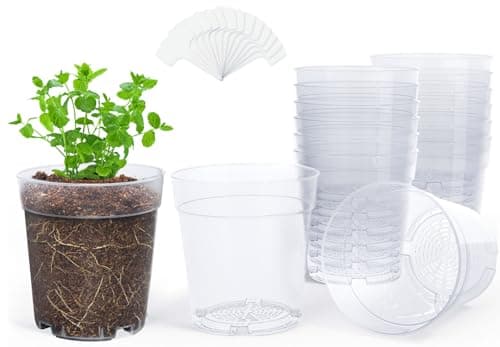 homenote 6.7 in Clear Plastic Nursery Pots with Drainage, 15 packClear walls, which turn the one variable you cannot otherwise check, what the roots are doing, into something you can just look at. | Watching roots instead of guessing |
Links to Amazon are affiliate links. Prices and availability are Amazon's and change without notice.
How we ranked these
On quantity against use, because when every listing publishes the same grading and none publishes the distribution, quantity is the only specification with content in it. The 10 lb bag leads because leca is consumed by volume — you fill the entire pot with it — and anyone converting more than one plant will otherwise reorder immediately. The small Halatool bag is second as the correct amount to find out whether you like the method or to keep for propagation. The Riare bag is third: the same published specification sold on structural durability, which is at least the right thing to compete on given that breakdown is the long-run failure mode. The clear nursery pots are fourth and are not leca at all — they are the inner pot that makes the reservoir visible, and a semi-hydro setup without a way to see the water level is a setup you will get wrong.
| What you are doing | Buy | Why |
|---|---|---|
| Rooting cuttings | 2 lb bag | A tray of cuttings uses very little |
| Trying one plant in semi-hydro | 2 lb bag | Roughly one medium pot's worth |
| Converting a shelf of plants | 10 lb bag | Leca is consumed by pot volume, not by plant |
| Orchids and aroids | Any, larger grades preferred | Thick roots want the big air gaps |
| Seeing the water level | Clear nursery pots | The reservoir is the thing you manage |
| A drainage layer in a soil pot | None of them | It raises the wet zone; use a drainage hole |
What we deliberately do not recommend
Using leca as a drainage layer under potting mix, which the listings suggest and the physics does not support. Watering leca with plain water indefinitely, which starves the plant in an inert medium. Filling the reservoir above about a third of the inner pot, which drowns the roots the setup exists to aerate. Never letting the reservoir run dry, which removes the oxygen phase entirely. Transitioning a fussy or woody plant as your first attempt. Leaving soil on the roots during the move. And buying a bag on the strength of a dust or durability claim, since no listing in this category publishes anything you could check either against.
Every pick, in full
We have not handled any of these. What follows is what each listing publishes, what that means once you put a watered pot on it, and who should buy something else.
1. Actually converting plants to semi-hydro, rather than trying it
Halatool LECA Clay Pebbles, 10 lb, 4 to 16 mm
The size that matches what semi-hydro actually consumes. A 2 lb bag fills about one medium pot; converting a shelf of plants is a bulk purchase and the per-pound cost says so.
- What the listing publishes
- Published 10 lb of kiln-fired expanded clay at 4 to 16 mm mixed grades; stated inert and pH-neutral; listing states it rinses clean without clouding water and leaves no white residue
- Against a 10-inch pot
- No weight rating is published for this product, so there is nothing to check. That counts against it here rather than being treated as neutral.
Volume is the thing people get wrong first. Leca is light, so a bag that feels substantial is not much medium — and unlike potting mix, you fill the whole pot with it plus a reservoir underneath. One plant in a 6-inch pot is most of a small bag.
The no-clouding claim is worth something in this category, because the common complaint is fine clay dust turning the reservoir opaque on the first fill. It is still a claim rather than a measurement, and you should rinse the pebbles regardless — the listing says so itself.
"4 to 16 mm" is the specification every leca listing gives and it is a fourfold range. Whether your bag arrives mostly at the small end or the large end decides whether it suits a 2-inch net pot or a 10-inch one, and no listing in this category publishes that distribution.
What is good
- Enough medium to convert several plants rather than one
- Publishes inert and pH-neutral, the two properties that matter
- States it rinses without clouding, which is the usual complaint
What is not
- Publishes a 4 to 16 mm range and no distribution within it
- Listing recommends it as a pot drainage layer, which this site argues against
- Ten pounds of clay is a large, heavy box for a houseplant purchase
Skip it if you are trying semi-hydro on one plant to see whether you like it. Buy a small bag, find out, and come back for this one.
2. Rooting cuttings, or trying semi-hydro on exactly one plant
Halatool LECA Clay Pebbles, 2 lb, 4 to 16 mm
The right amount to find out whether you want to do this at all, and the right amount for propagation, which is where leca is least controversial.
#ad · Price as of September 21, 2026. How we are funded
- What the listing publishes
- Published 2 lb of expanded clay at 4 to 16 mm; stated inert, pH-neutral, porous and lightweight; listing states it is baked at high temperature with less chalking in water and is reusable after cleaning
- Against a 10-inch pot
- No weight rating is published for this product, so there is nothing to check. That counts against it here rather than being treated as neutral.
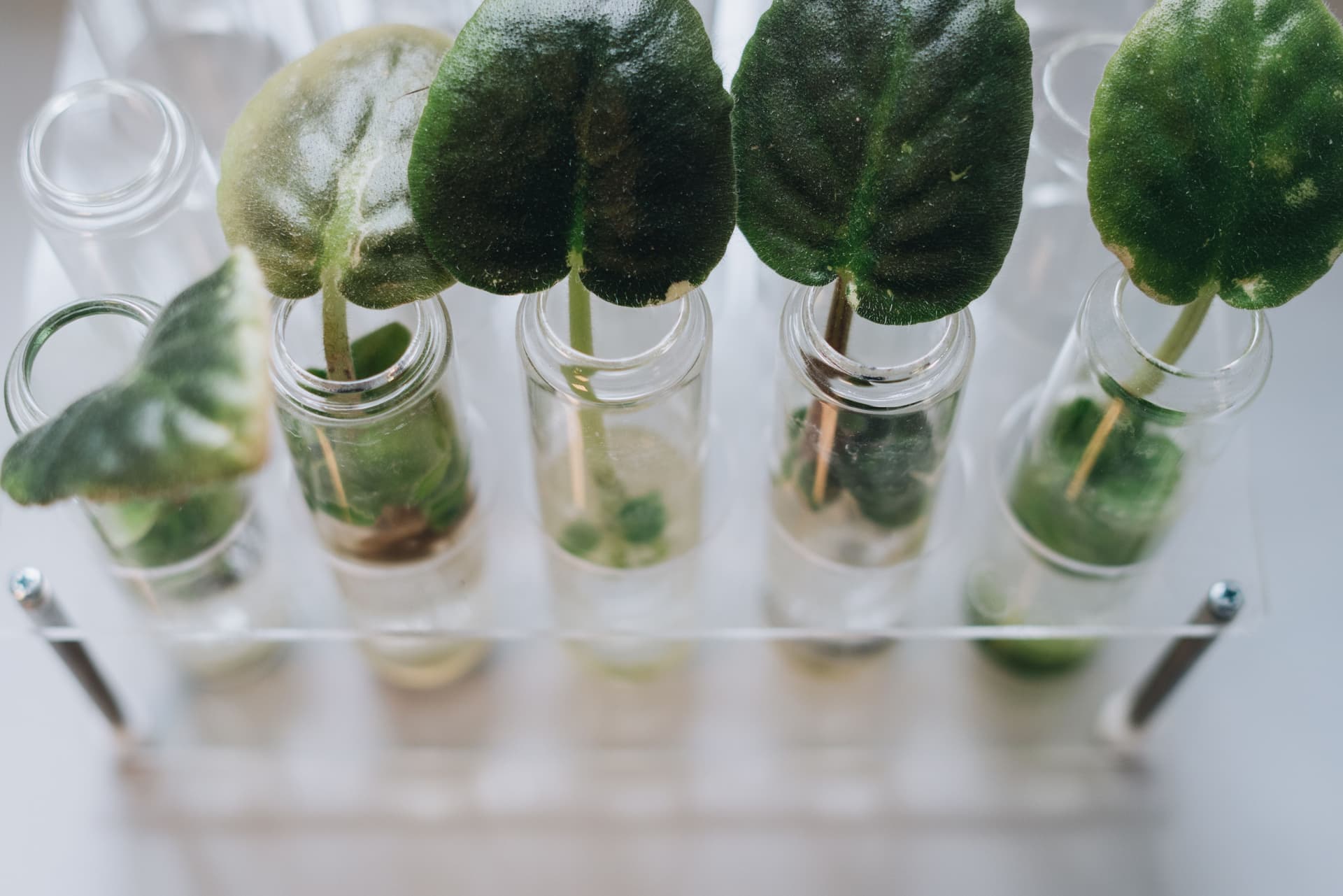
Propagation is leca's strongest case. A cutting sitting in pebbles with its base just in water gets air around the new roots in a way a glass of water does not, and roots formed that way transition to a pot far better than water roots do.
Two pounds is roughly one medium pot's worth, or a propagation tray's worth several times over. For finding out whether the whole approach suits you, that is exactly the right quantity to risk.
"Less chalking in water" is the listing's way of addressing the dust problem. Treat it the way you would any comparative claim with nothing to compare against: rinse the pebbles thoroughly before the first use, which every listing here also tells you to do.
What is good
- Small enough to try the method without committing
- Reusable after cleaning, so the cost is once rather than ongoing
- Ideal quantity for rooting cuttings, leca's least disputed use
What is not
- Publishes a 4 to 16 mm range and no distribution within it
- Barely fills one medium pot, so it is not a conversion quantity
- Listing suggests use as a pot drainage layer, which this site argues against
Skip it if you have already decided to move a collection across. You will be reordering immediately, and the bulk bag exists for that.
3. Orchids and aroids, where the larger grades in the mix do the work
Riare LECA Clay Pebbles, 2 lb, 4 to 16 mm, natural fired clay
The same specification as everything else in the category, sold on durability rather than on dust — which is the more honest axis to compete on if you are going to reuse it.
#ad · Price as of September 21, 2026. How we are funded
- What the listing publishes
- Published 2 lb of natural clay fired at high temperature at 4 to 16 mm; stated inert, odorless, porous and pH-neutral; listing states the solid structure is less likely to soften or break down
- Against a 10-inch pot
- No weight rating is published for this product, so there is nothing to check. That counts against it here rather than being treated as neutral.
Breakdown is the long-term failure mode of any expanded clay medium. Pebbles that soften and crumble turn into sludge at the bottom of the pot, which is exactly the anaerobic layer the medium was chosen to avoid. A listing that leads on structural durability is at least pointing at the right problem.
The mixed 4 to 16 mm grading suits chunky-rooted plants particularly well. Orchids and aroids want big air gaps, and the larger pebbles in the mix create them — see the orchid pot page for why that root type changes every potting decision.
"Organic" appears in this listing's title and means nothing here. Fired clay is an inert mineral; it is not organic in the horticultural sense and carries no nutrients whatsoever, which is a fact about all leca and the single most important one to understand before using it.
What is good
- Sold on structural durability, which is the real long-run failure mode
- Mixed grading suits chunky orchid and aroid roots
- Publishes inert, odorless and pH-neutral
What is not
- "Organic" in the title is meaningless for a fired mineral
- Publishes a 4 to 16 mm range and no distribution within it
- Listing includes pot drainage layer among its uses, which this site argues against
Skip it if you want the cheapest way to test the method. It is the same specification as the other small bag, sold on a different adjective.
4. Watching roots instead of guessing
homenote 6.7 in Clear Plastic Nursery Pots with Drainage, 15 pack
Clear walls, which turn the one variable you cannot otherwise check, what the roots are doing, into something you can just look at.
#ad · Price as of September 21, 2026. How we are funded
- What the listing publishes
- 6.7 in clear plastic with drainage holes, 15 per pack
- Against a 10-inch pot
- No weight rating is published for this product, so there is nothing to check. That counts against it here rather than being treated as neutral.
The reason to use a clear nursery pot inside an opaque cachepot is diagnostic: you can see root growth, you can see when water has actually reached the bottom, and you can see rot before the leaves tell you.
Fifteen pots is a whole shelf and a propagation run's worth of potting-up, at a per-pot price no ceramic reaches.
They are not attractive. They are meant to sit inside something else, which is also the arrangement that keeps a decorative pot with no drainage hole from killing a plant.
What is good
- Root visibility that no other pot format gives you
- Fifteen pots at nursery pricing
- The correct inner pot for a decorative cachepot with no hole
What is not
- Ugly on their own
- Algae grows on the inside of a clear pot in a bright window
- Thin plastic flexes when you lift a wet one
Skip it if you want the pot to be the visible object. These are working pots and they look it.
Questions people actually ask
What is LECA and what is it used for?
Do plants in LECA need fertilizer?
How much LECA do I need for one plant?
Can you put LECA in the bottom of a pot for drainage?
How do you switch a plant from soil to LECA?
Does LECA stop fungus gnats?
What size LECA balls should I buy?
Sources
- Cornell University, Greenhouse Management: bulk density of greenhouse media components
- University of Illinois Extension: Houseplants — propagation
- Clemson HGIC: Orchids — types, potting media, watering and repotting
- Clemson HGIC: Indoor Plants — cleaning, fertilizing, containers and light requirements
Product specifications are quoted from each seller's own listing and are the seller's claim, not a measurement of ours.