Propagation
The Best Rooting Hormone for Plant Cuttings
Extension guidance is blunt: many houseplants root so easily that hormone is not important. Here is where it genuinely helps, and which products publish a strength.
By Scooter M., enthusiast · Published
The short answer
For pothos, monstera, philodendron and most common houseplant cuttings, skip it — University of Illinois Extension says many houseplants root so easily on their own that rooting hormone is not important. It earns its place on difficult-to-root and woody cuttings, and when you are rooting into medium rather than water and only get one attempt. If you buy one, buy the powder that publishes its IBA concentration, use the softwood strength for houseplants, and decant a little rather than dipping into the bottle.
Disclosure Pot & Prop earns a commission when you buy through the Amazon links on this page, at no extra cost to you. It does not change which products get recommended or what we say about them, and we have not been given any of them. How this site is funded.
Rooting hormone is one of the few products in this hobby with an actual mechanism behind it and a genuinely restricted use case. It is indole-3-butyric acid — a synthetic analogue of a hormone plants already make — and dusting it on a cut stem raises the proportion of cuttings that strike. What it is not is a requirement, and the most useful sentence anyone has written about it comes from an extension service rather than a seller.
University of Illinois Extension puts it this way: rooting hormones increase the rooting percentage of many plants and tend to shorten the time to root, but many houseplants root so easily on their own that rooting hormones are not important — it is the more difficult-to-root species where they help. That is the whole buying decision, and it is why this page spends its first section talking you out of the purchase before ranking anything.
When you genuinely do not need it
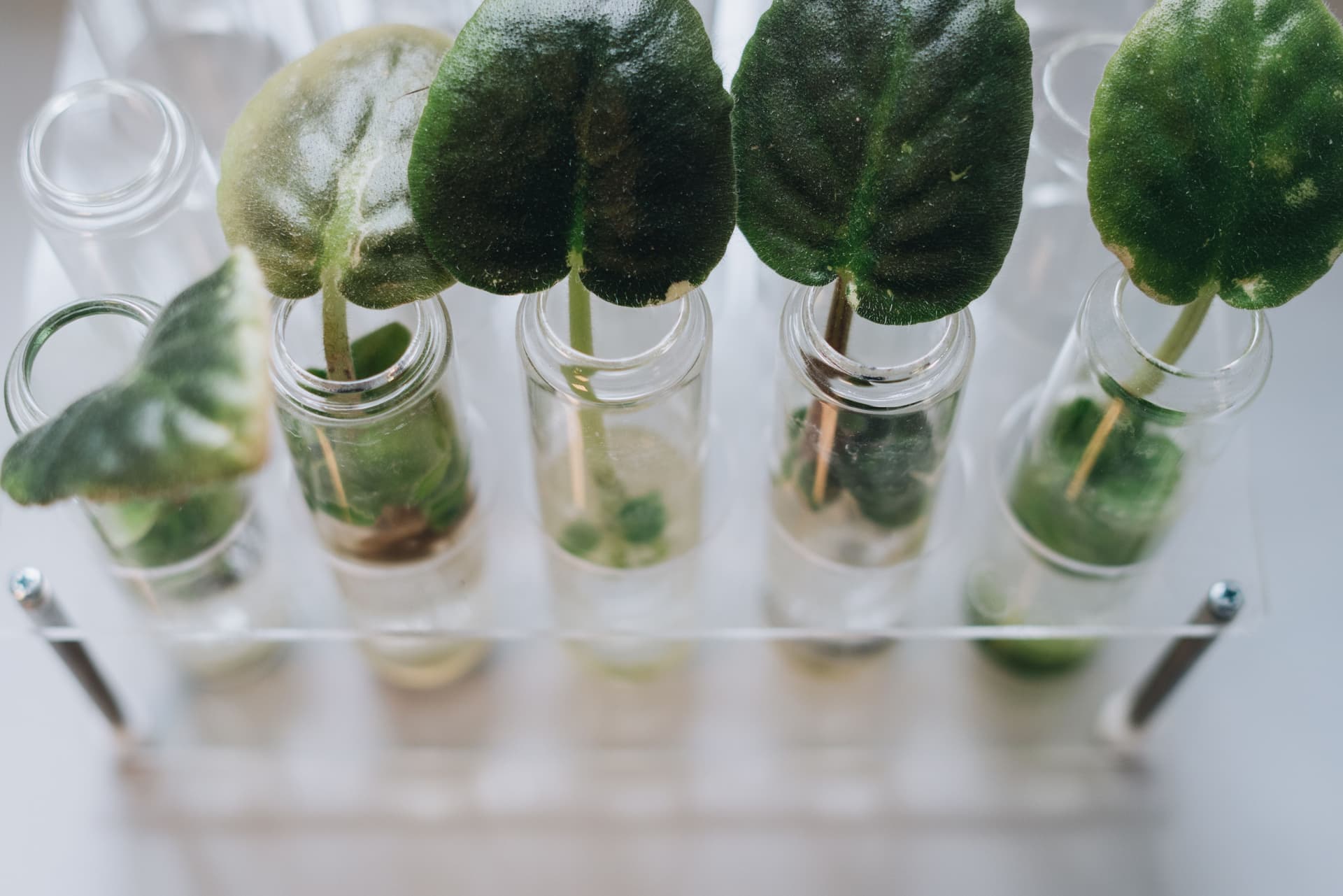
The plants this site writes about most are the ones that root without help. A pothos node in a jar of water roots in a couple of weeks. A monstera cutting with an aerial root already started is most of the way there before you cut it. Philodendron, tradescantia, spider plant offsets — all of these are in the category the extension guidance describes as rooting so easily that hormone is not important.
If that is your collection, the honest recommendation is to spend nothing. The propagation station pages cover the vessel, and how to use one covers the method. A bottle of powder will sit in a drawer going hard.
When it earns its place
- Difficult-to-root species. The extension guidance is explicit that this is the case for hormone. Woody and semi-woody stems, and anything you have failed with before.
- Rooting into medium rather than water. In a jar you can watch and retry. In perlite or mix you get one attempt and no feedback until you tug.
- Cuttings you cannot replace. A single cutting off a plant you were given, or one segment of something rare, is worth loading the odds on.
- Batches. If you are striking a dozen at once, a percentage improvement is worth a few cents per cutting.
There is a fifth case worth naming because the same extension page raises it: it does not recommend water propagation at all, on the grounds that roots formed in water are often weak and adapt less easily to potting mix than roots formed in rooting medium. That is a real tension with how most people — and most of this site's propagation coverage — actually propagate. Both things can be true: water rooting is easy and popular, and medium rooting produces sturdier roots. If you move to medium, hormone becomes relevant in a way it never was in a jar.
The one figure worth ranking on
Every product here is IBA at some concentration. The concentration is the product — softwood cuttings want a weak solution and woody stems want a strong one — and exactly one brand on this page prints it. Hormex publishes 0.10% IBA on its #1 and lays out the full ladder of 0.1, 0.3, 0.8 and 1.6 across four numbered strengths matched to softwood, semi-hardwood and hardwood cuttings.
The others name the acid without a number, or name a trade formula. That is not necessarily a worse powder — for soft houseplant cuttings the strength that matters is the low one, and the unlabeled powders are very likely in that range — but it cannot be checked, and checkable is how everything on this site is ranked.
| Product | Active ingredient named? | Concentration published? |
|---|---|---|
| Hormex #1 | Yes — IBA | Yes — 0.10%, plus a four-strength ladder |
| Garden Safe TakeRoot | Yes — indole-3-butyric acid | No |
| Bonide Bontone II | No, described as a rooting powder | No |
| RootBoost | Trade formula only — Hormodin 1 | No |
Powder, gel or liquid
All four picks here are powders, and that is deliberate. The extension guidance singles the powdered form out as good precisely because it arrives diluted with talc and ready to use — nothing to mix, no dilution to get wrong. Gels and liquid concentrates exist and have their advocates, particularly for cuttings that sit in the hormone for a set time, but they add a step and a measurement to a job that does not need one.
For a houseplant grower rooting a handful of cuttings a year, powder is the honest default. It is also the cheapest per cutting by a wide margin, and the one you are least likely to ruin through bad technique.
Quick picks
Ranked, with the published figure each pick turns on. Tap a row for the full reasoning further down this page.
| # | Product | Best for | Price |
|---|---|---|---|
| 1 | 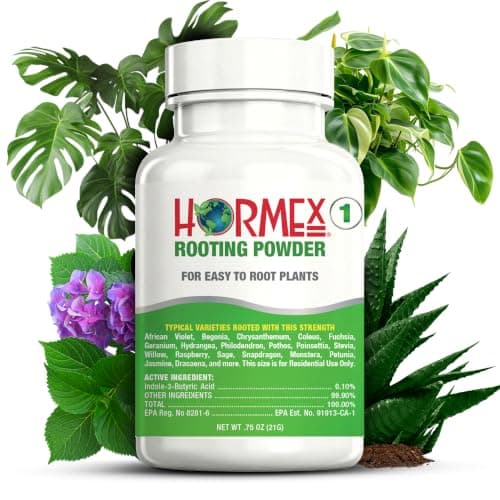 Hormex Rooting Hormone Powder #1, 0.10% IBA, for softwood cuttingsPublishes the one number that lets you match a hormone to a cutting, and sells four strengths so you can actually act on it — which nothing else in this category does. | The only brand here that publishes its strength | |
| 2 | 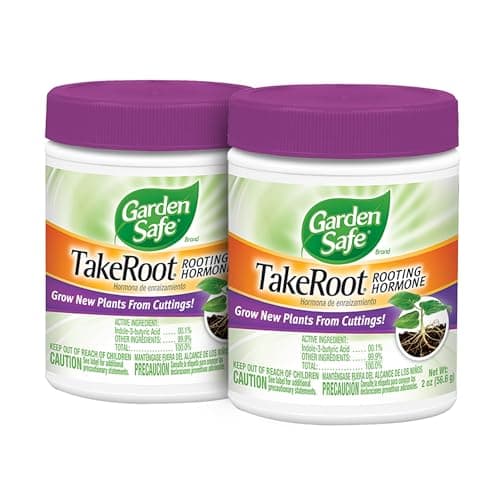 Garden Safe TakeRoot Rooting Hormone, 2 oz, 2 packThe powder most people end up with, and a fair one — it names its active ingredient, which is one step more than several competitors, and stops short of naming the strength. | The mainstream powder, in a quantity you will not use up | |
| 3 | 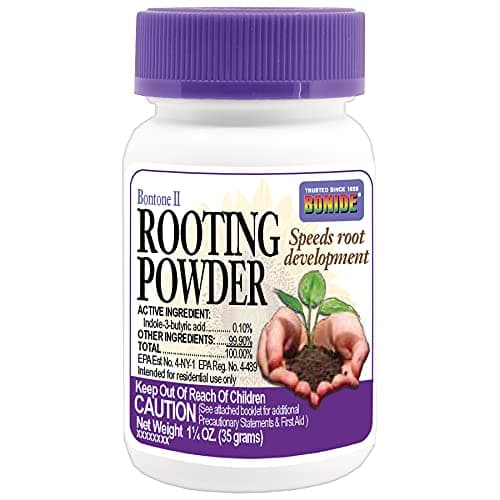 Bonide Bontone II Rooting Powder, 1.25 ozThe right size for a houseplant grower, which sounds trivial until you notice every competitor sells four times more powder than an apartment will ever use. | The smallest sensible quantity | |
| 4 | 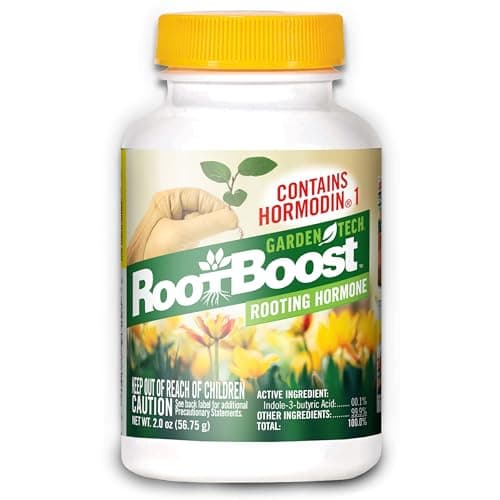 Gardentech RootBoost Rooting Hormone Powder, 2 ozNames a trade formula instead of a concentration, which is the least checkable form of disclosure in a category where one competitor simply prints the number. | Nothing the others here do not do better | $8.59 at Amazon $9.59 · 10% off |
Links to Amazon are affiliate links. Prices and availability are Amazon's and change without notice.
How we ranked these
By what the listing publishes, then by quantity appropriate to a home collection, then by price. Hormex leads because it prints the concentration and sells a range matched to cutting hardness — the only product here you can actually choose correctly rather than hope about. Garden Safe follows because it names the active ingredient and its plant list is specific. Bonide ranks third on a genuine practical virtue: it is the only pack sized for someone who is not a nursery. RootBoost is last because naming a trade formula instead of a number is the least checkable disclosure in the group, not because there is anything wrong with the powder.
Using it without wasting it or ruining it
- Take the cutting with a sterilized blade. The same extension page recommends sterilizing cutting tools before and between cuts by dipping in denatured alcohol — a detail almost everyone skips and the cheapest disease control available.
- Decant a little into a separate dish. Never dip a cutting into the bottle. One contaminated stem spoils the whole container, and a teaspoon covers a dozen cuttings.
- Moisten the cut end, then dust it. Tap off the excess — a thick clot of powder is worse than a light coating, not better.
- Put it into medium, not water. Hormone on a stem that then sits in a jar mostly washes off. If you are rooting in water, the powder is doing very little.
- Keep the medium evenly moist and the humidity up. The extension guidance suggests enclosing the container in plastic or clear glass, and ventilating as needed.
- Throw away the decanted leftovers. Do not tip them back.
What we deliberately do not recommend
Buying it for pothos, monstera or anything else on the easy list — the extension guidance says it is not important for those, and this page would rather you kept the money. Dipping cuttings directly into the bottle. Using a hardwood strength on a soft houseplant stem because a higher number sounded better. Buying four ounces when 1.25 will outlast your interest. And treating hormone as a fix for the real reasons cuttings fail, which are usually a dirty blade, a cutting with no node, or medium that dried out on day three.
Every pick, in full
We have not handled any of these. What follows is what each listing publishes, what that means once you put a watered pot on it, and who should buy something else.
1. The only brand here that publishes its strength
Hormex Rooting Hormone Powder #1, 0.10% IBA, for softwood cuttings
Publishes the one number that lets you match a hormone to a cutting, and sells four strengths so you can actually act on it — which nothing else in this category does.
#ad · Price as of September 21, 2026. How we are funded
- What the listing publishes
- Published 0.10% IBA for softwood cuttings; listing states the range runs 0.1, 0.3, 0.8 and 1.6% IBA across four numbered strengths matched to softwood, semi-hardwood and hardwood cuttings; stated made in the USA
- Against a 10-inch pot
- No weight rating is published for this product, so there is nothing to check. That counts against it here rather than being treated as neutral.
Rooting hormone is indole-3-butyric acid at some concentration, and the concentration is the whole product. A softwood houseplant cutting and a woody stem want very different strengths, and every other listing on this page leaves you to guess which you are holding.
This one does not. The #1 is stated at 0.10% IBA and the listing sets out the whole ladder — 0.1, 0.3, 0.8, 1.6 — against softwood, semi-hardwood and hardwood. For the cuttings this site is about, monstera, philodendron, pothos, the soft end is the right end, and #1 is the one to buy.
The honest caveat is that a published number is not the same as a tested result. Nothing here has been trialed against an untreated control, and University of Illinois Extension's own position is that many houseplants root so easily that hormone is not important at all.
What is good
- Publishes 0.10% IBA, and the full four-strength ladder alongside it
- Strength is matched to cutting hardness rather than left generic
- Powder form, which the extension guidance calls ready to use
What is not
- Costs more than the unlabeled powders that probably contain the same 0.1%
- Four strengths means one more decision for a beginner
- The numbering is meaningless unless you know how woody your cutting is
Skip it if you are rooting pothos or a monstera node in water. Those root on their own, and the extension guidance says so plainly.
2. The mainstream powder, in a quantity you will not use up
Garden Safe TakeRoot Rooting Hormone, 2 oz, 2 pack
The powder most people end up with, and a fair one — it names its active ingredient, which is one step more than several competitors, and stops short of naming the strength.
#ad · Price as of September 21, 2026. How we are funded
- What the listing publishes
- Published active ingredient indole-3-butyric acid, concentration not stated; 2 oz per bottle, 2 pack; listing names African violets, philodendrons, geraniums, coleus and woody ornamentals among its uses
- Against a 10-inch pot
- No weight rating is published for this product, so there is nothing to check. That counts against it here rather than being treated as neutral.
Four ounces of rooting powder is a lifetime supply for an apartment. A cutting takes a dusting; the bottle takes years. Buying the two-pack is buying a spare you will probably still have when the first is out of date, and that is worth knowing before the price looks like a bargain.
The listing names indole-3-butyric acid as the active ingredient but never states the percentage, so you cannot match it to the hardness of your cutting the way the Hormex ladder lets you. For soft houseplant cuttings that likely does not matter; for anything woody it does.
Its own plant list is the useful part: African violets, philodendrons, coleus and woody ornamentals. That is a reasonable map of where this helps and where it is beside the point.
What is good
- Names its active ingredient rather than only a trade name
- Widely stocked and cheap per cutting
- Published plant list is specific enough to be useful
What is not
- No published IBA percentage, so strength cannot be matched to the cutting
- Two bottles is far more than a houseplant grower will ever use
- Powder cakes if it gets damp, which a shared dip jar guarantees
Skip it if you want to match strength to a woody cutting. Without a stated percentage you are guessing, and the numbered range on this page removes the guess.
3. The smallest sensible quantity
Bonide Bontone II Rooting Powder, 1.25 oz
The right size for a houseplant grower, which sounds trivial until you notice every competitor sells four times more powder than an apartment will ever use.
#ad · Price as of September 21, 2026. How we are funded
- What the listing publishes
- Published 1.25 oz ready-to-use dust; stated for hardwood and softwood cuttings and also for seeds, bulbs and corms; active ingredient concentration not published
- Against a 10-inch pot
- No weight rating is published for this product, so there is nothing to check. That counts against it here rather than being treated as neutral.
1.25 ounces is still hundreds of cuttings. It is simply the only pack here that acknowledges a home grower is not a nursery, and at this price the quantity question stops mattering.
The listing claims both hardwood and softwood use from one product without publishing a strength, which is the tension running through this whole category — a single concentration cannot be ideal for both, and no number is given to judge it by.
The seeds-and-bulbs use is a genuine extra: the listing describes shaking bulbs in a bag with the powder. That is outside what this site covers, but it is a real second use for a bottle you would otherwise abandon.
What is good
- Smallest, cheapest pack here — appropriate to a home collection
- Stated for both softwood and hardwood cuttings
- Ready-to-use dust, no mixing
What is not
- No published concentration of any kind
- One strength claimed for both softwood and hardwood cuttings
- The dust is fine and gets everywhere
Skip it if you propagate woody plants regularly. A product that will not say how strong it is cannot be matched to a hard cutting.
4. Nothing the others here do not do better
Gardentech RootBoost Rooting Hormone Powder, 2 oz
Names a trade formula instead of a concentration, which is the least checkable form of disclosure in a category where one competitor simply prints the number.
- What the listing publishes
- Published 2 oz powder; listing states it contains Hormodin 1 and describes it as the formula used by professionals; active ingredient concentration not published
- Against a 10-inch pot
- No weight rating is published for this product, so there is nothing to check. That counts against it here rather than being treated as neutral.
Hormodin 1 is a named commercial rooting formulation, and citing it is not nothing — it is more specific than saying rooting hormone. But a buyer cannot convert a trade name into a strength without going and looking it up somewhere the listing does not point to.
In use it is the same proposition as every other powder here: dust the cut end, tap off the excess, put it in medium. The extension guidance's preference for powder holds — it arrives diluted and ready, with nothing to mix.
It sits in the middle on price and at the bottom on published information, which is why it ranks last rather than because of anything wrong with the powder itself.
What is good
- Names a specific commercial formulation rather than a generic claim
- Enough powder for hundreds of cuttings
- Straightforward dip-and-plant use
What is not
- No published IBA percentage — only a trade formula name
- 2 oz is more than a home grower needs
- Nothing here that the better-labeled powders do not also do
Skip it if you are choosing on published figures, which is how everything else on this site is ranked. Two products on this page tell you more.
Questions people actually ask
Do you need rooting hormone for houseplant cuttings?
What strength rooting hormone for softwood cuttings?
Does rooting hormone work for water propagation?
Powder, gel or liquid rooting hormone?
Can you dip cuttings straight into the rooting hormone container?
How long does rooting hormone last?
Sources
- University of Illinois Extension: Houseplants — propagation
- Clemson HGIC: Indoor Plants — cleaning, fertilizing, containers and light requirements
- Michigan State University Extension: Smart Gardening — growing houseplants indoors
Product specifications are quoted from each seller's own listing and are the seller's claim, not a measurement of ours.