Grow Lights
Grow Lights and Lit Plant Shelves
One north-facing window is the constraint most apartments cannot design around. Lit shelving is how you get plant positions that are not next to the glass.
By Scooter M., enthusiast · Published · Last updated
The short answer
If your apartment has one decent window, a lit shelf is the highest-value plant purchase available to you, because it manufactures good positions instead of competing for them. Buy a shelf whose lights are attached to each tier rather than one light above a whole rack, and treat published wattage as a way to compare similar fixtures rather than as a measure of how much light a plant gets.
Disclosure Pot & Prop earns a commission when you buy through the Amazon links on this page, at no extra cost to you. It does not change which products get recommended or what we say about them, and we have not been given any of them. How this site is funded.
Every other section of this site rearranges space. This one creates it. A plant stand in front of a window moves plants around a fixed supply of good light and, if it is tall, shades the plants behind it. A lit shelf does something different: it makes a position that does not depend on the window at all, which means the eighth plant is as well lit as the first. In an apartment with one usable window, that is the difference between a collection that plateaus at five plants and one that does not.
It is also the category where the listings are least useful. Almost every product here advertises wattage, which is electricity consumed rather than light delivered, and almost none publish output in any form a buyer can compare. So this section does what it can honestly do: it sets out the published figures side by side, computes lit positions per square foot the same way the stands section computes plant positions, and is explicit about which numbers are proxies.
How to choose within this category
- Lights per tier, not lights per unit. A single fixture above a five-tier rack lights the top tier and disappoints the other four, because light falls off with the square of the distance. A shelf with a light attached to the underside of each tier is a different product wearing a similar photograph.
- Adjustable tier height. Plants grow. A tier whose height is fixed is a tier that fits your plant for one season, and the difference between six inches and twelve inches of clearance is a factor of four in the light reaching a leaf.
- A timer, ideally built in. Plants want a consistent day length and you will not remember. A built-in timer or a cheap smart plug is the single cheapest improvement to any lit setup.
- Published color temperature or spectrum. 4000 K and 5000 K white light both grow houseplants perfectly well and look like light rather than like a nightclub. That last part matters in a studio where the shelf is in your living room.
Why wattage is a proxy and distance is not
Two things determine how much light a leaf receives: how much the fixture emits, and how far away it is. Manufacturers publish the first only as wattage — the electricity going in, not the light coming out — so comparing a 40 W fixture with a 288 W one tells you about scale rather than about performance. Distance, by contrast, is entirely in your control and behaves predictably: light from a small source spreads over an area that grows with the square of the distance, so doubling the gap between the bar and the leaf leaves roughly a quarter of the intensity.
relative intensity = (reference distance / actual distance)^2
at 24 in instead of 12 in: (12 / 24)^2 = 0.25 -> about a quarter of the light
This is why a shelf with a light on every tier beats a single brighter fixture above a tall rack, and why an adjustable tier is worth more than extra watts. Use the manufacturer's recommended hanging height as your starting point — the distance guide works through it.
What the small-space constraint changes
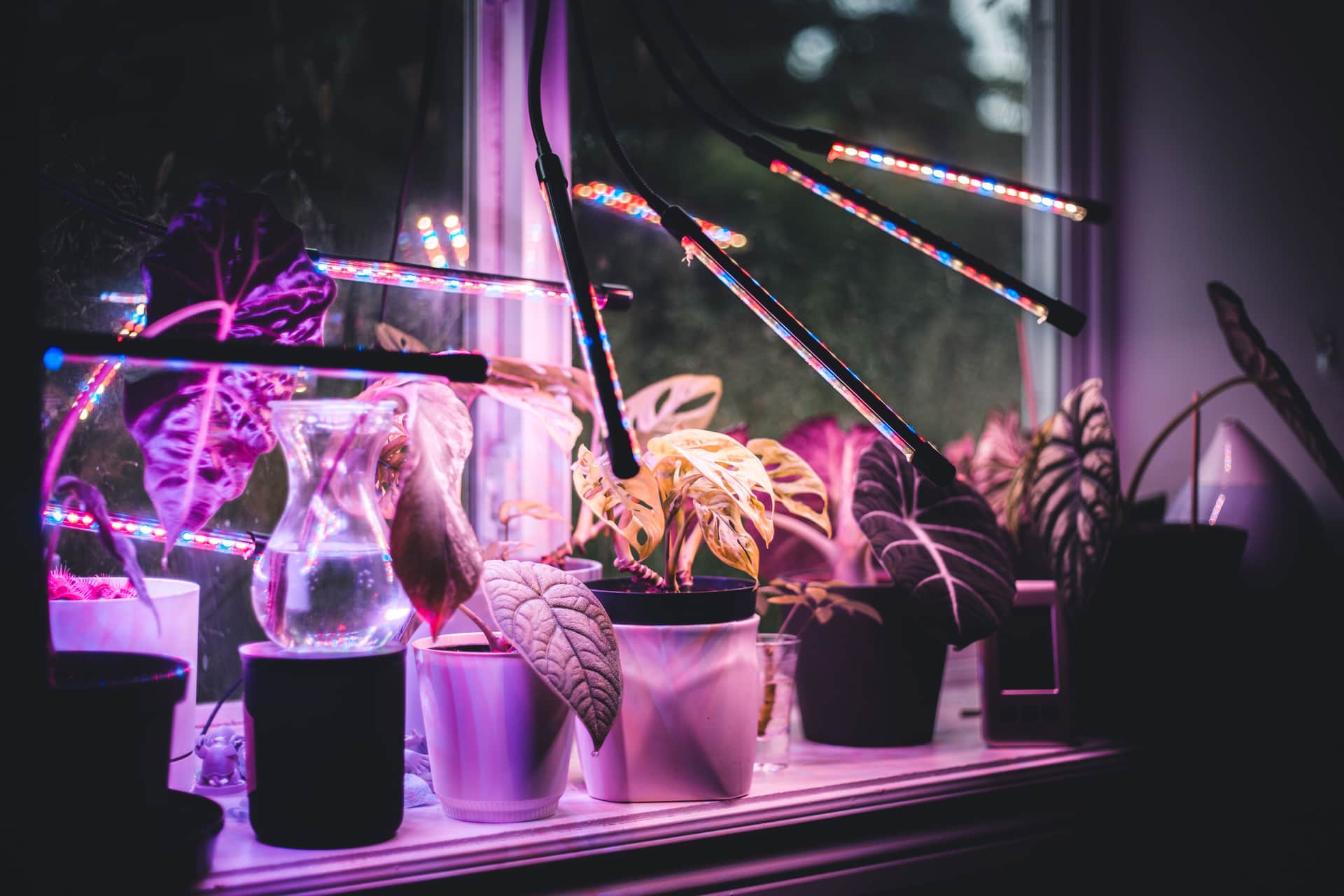
Three things. First, the shelf lives in the room with you, so glare, color and cable management stop being trivia — a magenta grow light in a studio is something you will resent by week three, which is why the white-light fixtures here rank ahead of the red-blue ones for indoor use. Second, footprint matters as much as it does for an unlit stand, so lit positions per square foot is the ranking metric rather than tier count. Third, everything you put on a lit shelf still has to be held up: the tiers carry watered pots, and almost none of these products publish a weight rating, which is the same gap the plant stands section documents.
| Pot size | Mix volume | Dry | Watered | Rating needed |
|---|---|---|---|---|
| 4 in | 0.017 cu ft | 0.4 lb | 0.9 lb | 2 lb |
| 6 in | 0.058 cu ft | 1.3 lb | 3.2 lb | 5 lb |
| 8 in | 0.137 cu ft | 3 lb | 7.5 lb | 12 lb |
| 10 in | 0.268 cu ft | 5.9 lb | 14.7 lb | 23 lb |
What we deliberately do not recommend
Single-fixture-over-tall-rack designs, for the inverse-square reason above. Purple or magenta red-blue panels for a living room, unless the shelf lives somewhere you never sit — they grow plants fine and they make a room feel like a laboratory. And any light with no published color temperature, wattage or diode information at all: this is a category where the specification sheet is the only evidence available, so a listing that publishes nothing has given you nothing to judge.
Start here
If you want a freestanding unit that is both the stand and the light, go to plant stands with grow lights. If you want a wider shelving system for a corner or a spare wall, grow light shelves. If you have one plant that needs help rather than a whole collection, clip light against shelf light is the decision. And if you already own the shelf and only need the fixture, the grow lights themselves are ranked separately from the furniture they mount to. If the question is whether you need a grow light at all, grow light against regular light sets out what actually differs and which listing figures mean anything. For the least money that still buys a checkable figure, budget grow lights. And two uses have their own pages because the brief is different: lights for seedlings, which need the fixture inches away and a tray that drains, and lights for succulents and cacti, the plants that stretch fastest in an apartment window.
The picks this category starts with
We have not handled any of these. What follows is what each listing publishes, what that means once you put a watered pot on it, and who should buy something else.
1. Published wattage and published dimensions
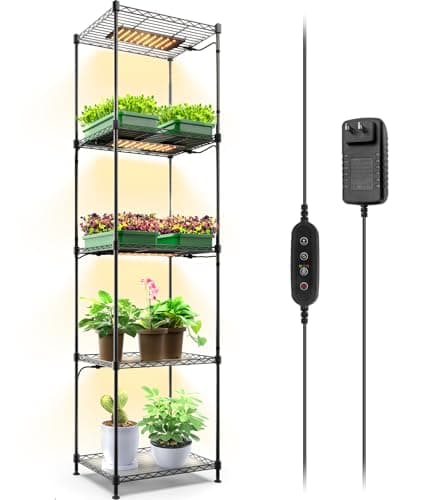
Barrina 5 Tier Plant Shelf with Grow Light, 40 W, 15.7 by 11.8 by 59.1 in
The only lit stand here that publishes both its wattage and its full dimensions, which is the difference between comparing products and comparing photographs.
#ad · Price as of October 18, 2026. How we are funded
- What the listing publishes
- Published 40 W total; 15.7 by 11.8 by 59.1 in; 5 adjustable tiers
- Against a 10-inch pot
- No weight rating is published for this product, so there is nothing to check. That counts against it here rather than being treated as neutral.
40 W across five tiers is 8 W a tier. That is a modest figure and it is a real one, which is more than most of this category offers, and it tells you this supplements light rather than replacing a window.
15.7 by 11.8 inches is 1.29 square feet for five positions, about 3.9 plants per square foot, all lit.
Adjustable tiers plus published dimensions means you can work out before ordering whether your pots fit. Almost nothing else in this category lets you do that.
What is good
- Publishes wattage and full dimensions
- Adjustable tier heights
- Nearly four lit plants per square foot
What is not
- 40 W total is supplemental light, not a substitute for a window
- 11.8 in depth takes 6-inch pots at most
- No published weight rating
Skip it if you have no window light at all. 8 W a tier supplements daylight, and a windowless room needs the higher-output shelves here.
2. Floor to ceiling, fully lit
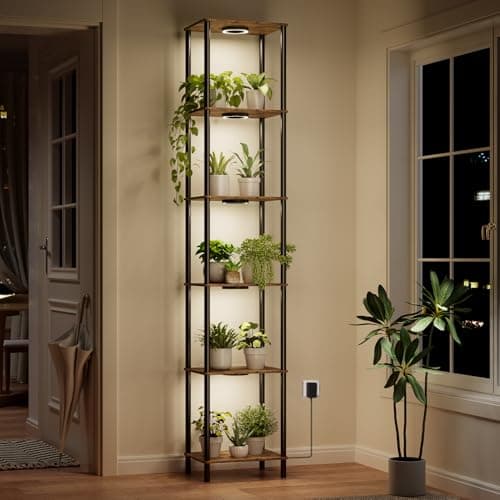
Bstrip 6 Tier Plant Stand with Full Spectrum Grow Lights, 81.3 in
Over six and a half feet of lit shelving in about 1.6 square feet, which is the most efficient use of an apartment's vertical space on this site.
- What the listing publishes
- 81.3 in tall, six tiers, full spectrum lights per tier
- Against a 10-inch pot
- No weight rating is published for this product, so there is nothing to check. That counts against it here rather than being treated as neutral.
Six lit positions on 1.6 square feet is about 3.8 plants per square foot, all of them with light, a better real number than any unlit stand with more shelves.
At 81 inches it is taller than most people, so the top tier is a step-stool job every time you water. Plan the top shelf for something that tolerates neglect.
Full spectrum white light is the right default for a mixed collection. The red-blue lights that look like a nightclub are more efficient per watt for flowering and much harder to live with in a studio.
What is good
- Six lit positions in 1.6 square feet
- Full spectrum white is livable in a room you sleep in
- Uses the vertical space above sill height that nothing else does
What is not
- The top tier needs a step stool
- No published weight rating
- 81 inches will not clear a low ceiling with a light fitting
Skip it if your ceilings are under eight feet. Measure before ordering, because 81 inches plus a light fitting is tight in a lot of apartments.
3. One plant that needs more light than its corner gives
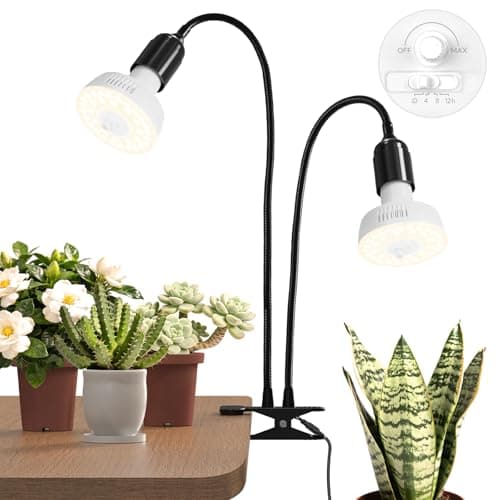
Barrina Clip On Grow Light, 22 W, 4000 K
Publishes both its wattage and its color temperature, and clips to a shelf edge. The smallest useful intervention in this entire section.
#ad · Price as of October 18, 2026. How we are funded
- What the listing publishes
- Published 22 W (2 by 11 W) at 4000 K; clip mount
- Against a 10-inch pot
- No weight rating is published for this product, so there is nothing to check. That counts against it here rather than being treated as neutral.
22 W on one plant is a genuinely useful amount of light. The same 22 W spread across a six-tier shelf would be nothing, which is why per-plant clip lights outperform their wattage.
4000 K is warmer than the 5000 K bars and noticeably less clinical in a living room, at a small cost in usable output for the plant.
A clip needs something to clip to, with a lip. Shelf edges work; a windowsill usually does not.
What is good
- Publishes watts and color temperature
- 22 W concentrated on one plant does real work
- No mounting, no fixing, and it moves with the plant
What is not
- Needs a shelf edge or similar to clip to
- Lights one plant, not a collection
- Two heads means two points of aim to get right
Skip it if you have a whole shelf to light. Clip lights do not scale, and a linkable bar set is the right tool at that point.
Everything in this category
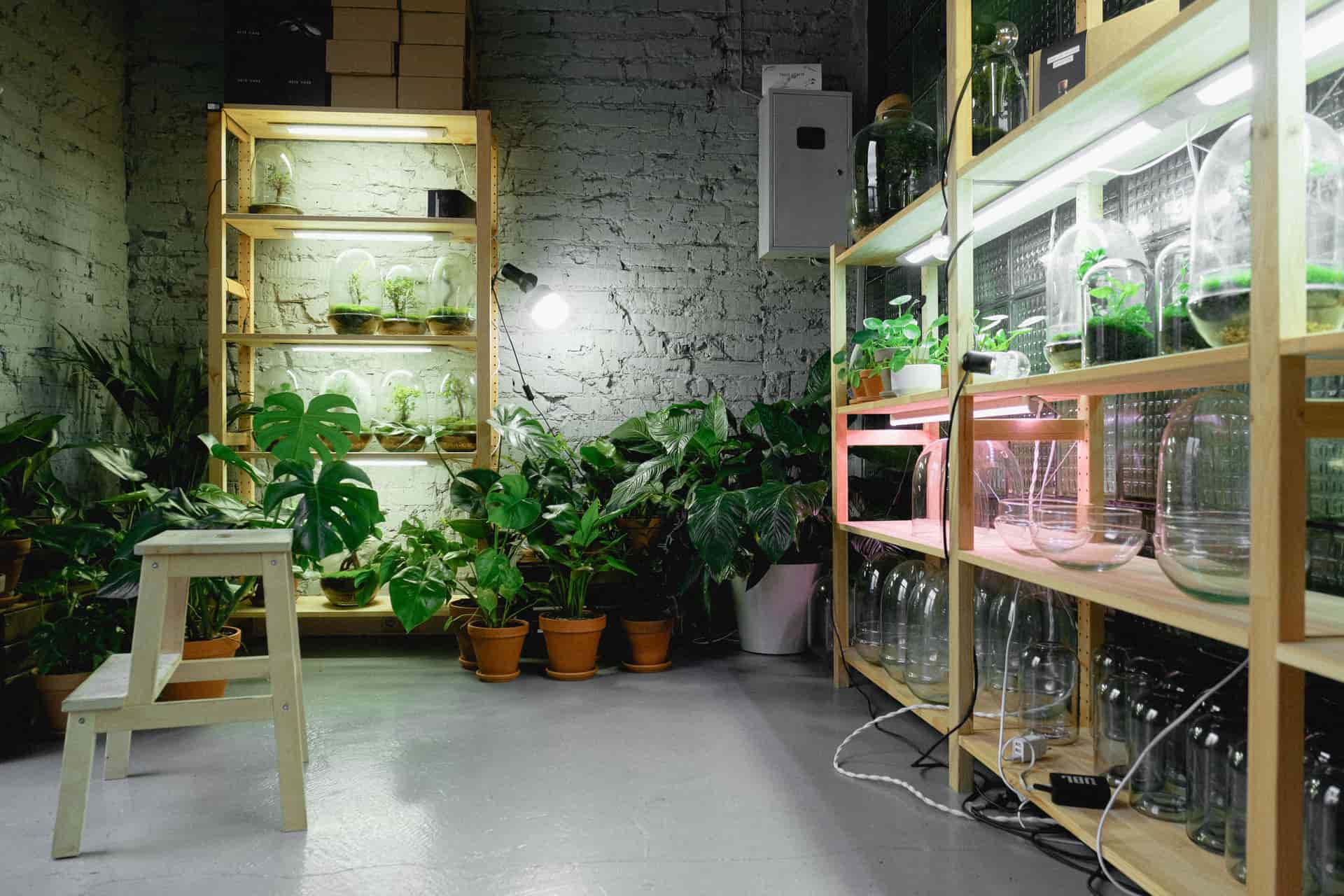
Best lit plant stand
The Best Plant Stands with Grow Lights
Freestanding lit plant stands from four tiers to seven, ranked by lit positions per square foot and by whether each tier has its own light.
Top pick: Barrina 5 Tier Plant Shelf with Grow Light, 40 W, 15.7 by 11.8 by 59.1 in
Best grow light shelf
The Best Grow Light Shelves
Wide lit shelving and retrofit LED bars, ranked by lit positions and by how much light each tier actually gets rather than by total wattage.
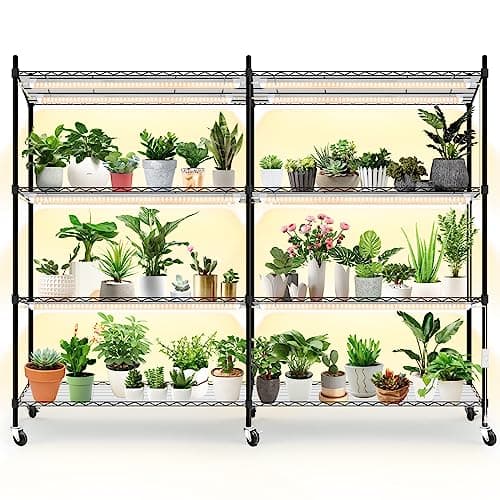
Top pick: Bstrip 4 Tier Plant Shelf with Grow Lights, 288 W, 58 by 13.8 by 59 in
Head to head
Clip Light or Shelf Light?
When a single clip-on fixture is the right answer and when it is a false economy, with the distance arithmetic that decides it.
Head to head
Full Spectrum or Red and Blue?
What the spectrum debate actually turns on, why white light wins in a room you live in, and what a named diode tells you that a spectrum chart does not.
Best lit wall shelf
The Best Wall Shelves with Grow Lights
Wall-mounted lit shelves and the cordless magnetic lights that make them work, with an honest account of the mounting problem in a rented apartment.
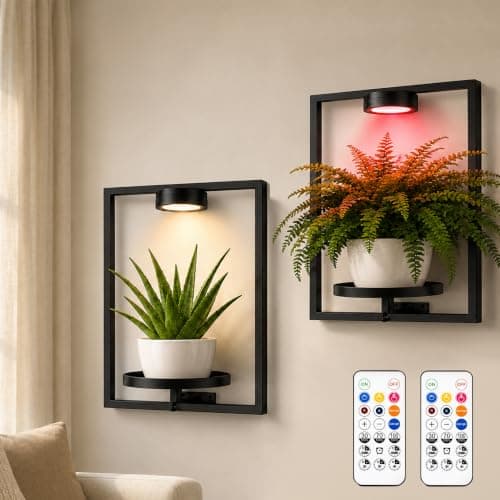
Top pick: Plant Wall Shelf with Rechargeable Magnetic Grow Light, 2 pack
$29.99 · 10% off
Best grow light
The Best Grow Lights for Indoor Plants
Grow light bars and clip lights ranked by published wattage, color temperature and named diodes, with the distance arithmetic that matters more than any of them.
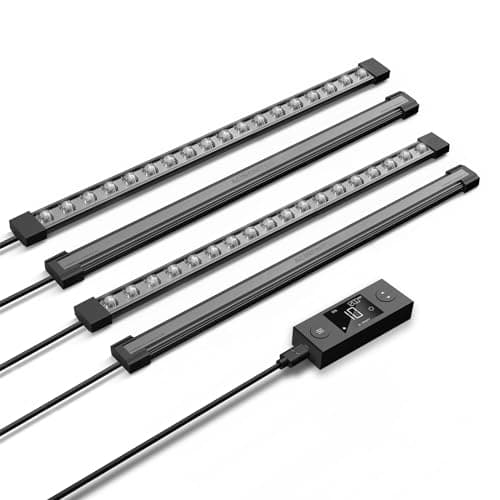
Top pick: AC Infinity IONBEAM S16 Full Spectrum LED Grow Light Bar, 16 in
Best for seedlings
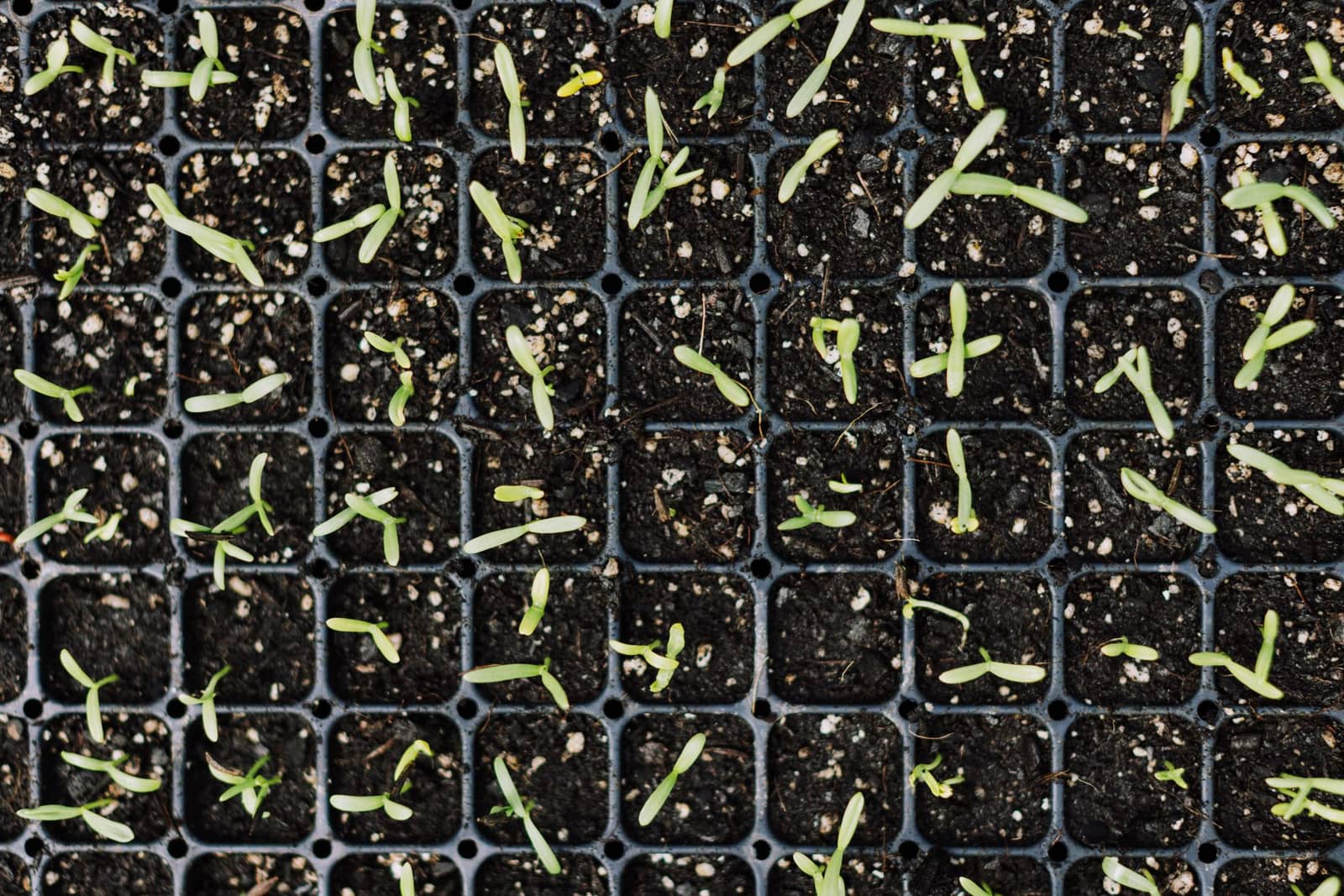
The Best Grow Lights for Seedlings
Grow lights for seed starting ranked on published output and mounting distance, with the heat mat and vented trays that complete the setup.
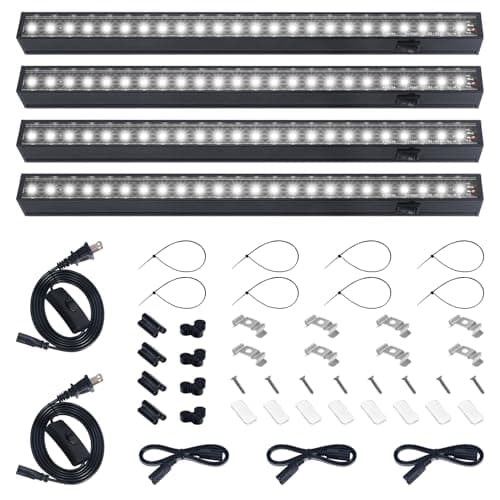
Top pick: Barrina T5 Grow Light Bars, 1 ft, 5000 K full spectrum, 4 pack
$36.99 · 17% off
Head to head
Grow Light vs Regular Light: What Actually Differs
Whether a regular LED bulb can grow houseplants, what a grow bulb actually adds, and which listing figures mean anything.
Best budget light
The Best Budget Grow Lights
Cheap grow lights ranked on what each listing actually publishes — bulbs, a timer strip, a clip light and linkable bars.
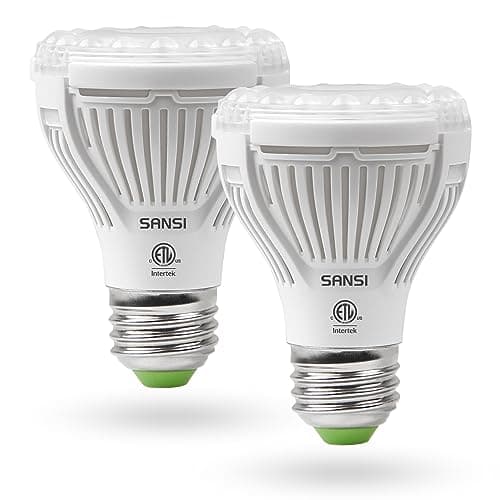
Top pick: SANSI LED Grow Light Bulb, 10 W, E26, 4000 K, 2 pack
$12.95 · 23% off
Best light for succulents
The Best Grow Lights for Succulents and Cacti
Grow lights for succulents and cacti ranked on published output and mounting distance, for the plants that stretch fastest indoors.
Top pick: Barrina Clip On Grow Light, 22 W, 4000 K
Best grow light timer
The Best Timers for Grow Lights
Plug-in timers for grow lights, ranked on outlets switched, dial resolution and power-cut behavior rather than on a wattage rating no houseplant setup can reach.
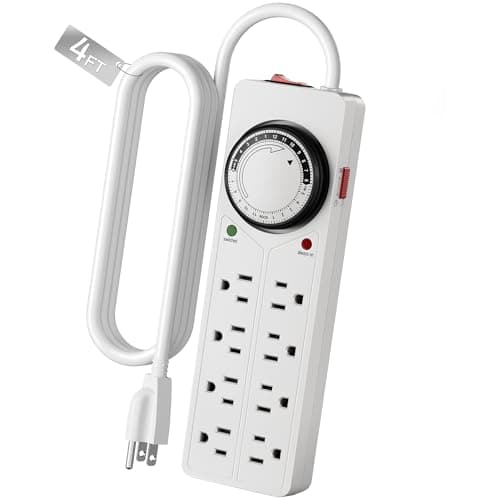
Top pick: BN-LINK 8 Outlet Surge Protector with Mechanical Timer, 4 timed and 4 always-on
Guide
Barrina T5 Grow Light Review (1 ft, 4 Pack)
A single-product review of the Barrina T5 1 ft 4-pack, read against its published wattage, its unpublished PPFD, and the other lights on this site.
Best grow light bulb
The Best Grow Light Bulbs for Indoor Plants
Screw-in E26 grow bulbs ranked on published photon output and measurement distance, with efficacy and daily light totals derived from those figures.
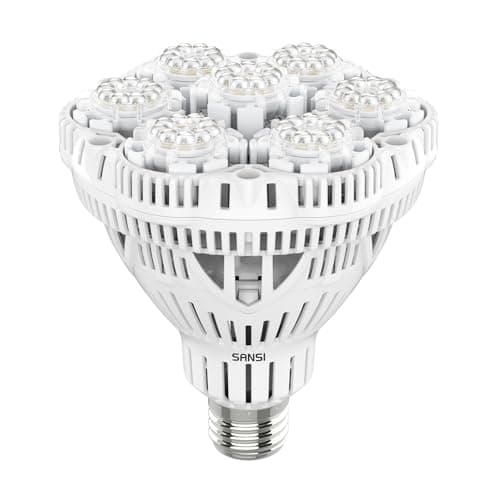
Top pick: SANSI LED Grow Light Bulb, 36 W, E26, 4000 K
$39.95 · 21% off
Guide
SANSI 36W Grow Light Bulb Review
A single-product review of the SANSI 36W E26 grow bulb, working its published PPF and PPFD into efficacy, falloff by distance and daily light totals.
Best light meter
The Best Light Meters for Houseplants
Light meters ranked on whether they read foot-candles, where the sensor sits, and how they handle the bottom 2 percent of the scale that indoor light lives in.
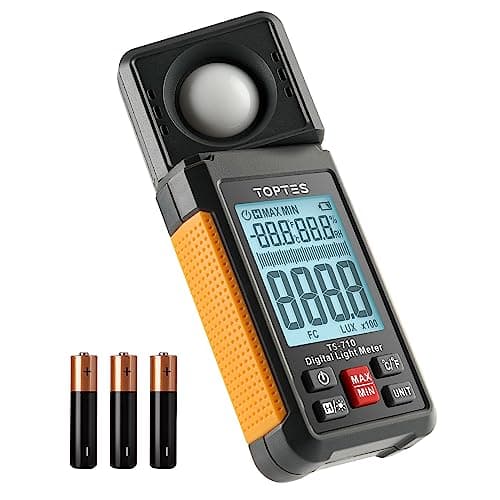
Top pick: TopTes TS-710 Light Meter, lux and foot-candles, 180 degree rotating sensor
Guide
AC Infinity IONBEAM S16 Review
A single-product review of the AC Infinity IONBEAM S16, deriving an output ceiling from the published diode efficacy and wattage because the fixture's own output is never stated.
The guides behind these picks
The arithmetic and the reference tables the recommendations on this page are built from. All of it is on the methodology page too, in one piece.
Guide
Barrina T5 Grow Light Review (1 ft, 4 Pack)
A single-product review of the Barrina T5 1 ft 4-pack, read against its published wattage, its unpublished PPFD, and the other lights on this site.
Guide
SANSI 36W Grow Light Bulb Review
A single-product review of the SANSI 36W E26 grow bulb, working its published PPF and PPFD into efficacy, falloff by distance and daily light totals.
Guide
AC Infinity IONBEAM S16 Review
A single-product review of the AC Infinity IONBEAM S16, deriving an output ceiling from the published diode efficacy and wattage because the fixture's own output is never stated.
Guide
How Far Should a Grow Light Be From a Plant?
The inverse-square arithmetic behind grow light placement, what each extra inch costs, and how to read the signs that a light is too close or too far.
Guide
How to Set Up a Grow Light Shelf
Retrofitting LED bars to an existing shelf: mounting, spacing, timers, power and the free reflectivity upgrade most people skip.
Guide
Apartment Plants for Beginners
Seven beginner-friendly houseplants sorted by light requirement, with the three purchases that matter more than the plant choice.
Guide
Apartment Plants and Cats
How to check a plant against the ASPCA toxicity list, which common houseplants are and are not on it, and how to put the risky ones out of reach.
Questions people actually ask
Do grow lights actually work for houseplants?
How many hours a day should a grow light be on?
Do I need a purple grow light?
How close should a grow light be to a plant?
Sources
- University of Illinois Extension: Houseplants — lighting
- Michigan State University Extension: Smart Gardening — growing houseplants indoors
- University of Georgia Extension B1318: Growing Indoor Plants with Success
- Cornell University, Greenhouse Management: bulk density of greenhouse media components
- Biology Insights: how much a cubic foot of potting soil weighs, dry and saturated
Product specifications are quoted from each seller's own listing and are the seller's claim, not a measurement of ours.