Plant Stands
Plant Stands for Small Apartments
Floor is the one thing you cannot buy more of. Every stand here is judged on how many plants it puts in a square foot, and on whether it publishes a number for what it can hold.
By Scooter M., enthusiast · Published · Last updated
The short answer
For most small apartments the best plant stand is a tiered corner frame: it converts about two square feet of otherwise dead floor into five or six plant positions. If your plants are already in 12-inch pots or larger, buy a rated plant caddy instead — it is the only part of this category that publishes a weight capacity you can check.
Disclosure Pot & Prop earns a commission when you buy through the Amazon links on this page, at no extra cost to you. It does not change which products get recommended or what we say about them, and we have not been given any of them. How this site is funded.
A plant stand is a floor-efficiency device. That sounds obvious and almost nobody shops for one that way: listings compete on tier count and finish, and the number that decides whether a stand is worth its space — how many plants it holds per square foot of floor it occupies — appears on none of them. So we compute it. A five-tier corner frame on a 17 by 17 inch base holds five plants on two square feet, which is a little over two plants per square foot. A 41-inch pedestal holds one plant on one square foot. Both are legitimate purchases and they are not remotely the same product.
The second number nobody prints is weight. Of the nineteen stands and caddies in this section, exactly six publish a weight capacity — and five of those six are plant caddies. Everything shaped like furniture publishes nothing. That is not a small omission: a 12-inch pot of saturated potting mix computes to about 25.5 lb before the pot itself is weighed, and putting that on the top tier of an unrated wire frame is a guess dressed up as a purchase. Here is the arithmetic, and here is how we apply it.
How to choose within this category
There are only three axes that matter, and every stand on this page is a position on them.
- Positions per square foot. Tiered corner frames win on this, at roughly 2 to 3 plants per square foot. Ladder shelves land near 3.4 because their shelves are full width. Pedestals sit at 1. If floor is your binding constraint, this is the only number that matters and everything else is decoration.
- Pot size the tiers actually take. Tier depth and tier spacing, neither of which most listings publish, decide whether a stand holds your plants or only your pots. A shelf that fits an 8-inch pot but not its 9-inch saucer means lifting every plant to water it, and plants that have to be lifted get watered less.
- Whether a number exists. A published weight rating is the difference between a decision and a hope. In this category it is rare enough that it should shift your ranking on its own.
What the small-space constraint changes
In a house, a plant stand is furniture and you buy the one you like. In a 500 square foot apartment three things invert. First, height becomes free and floor becomes expensive, which pushes you toward tall narrow frames and away from anything with a wide base. Second, light becomes the scarce resource rather than space, so a tall stand in front of your only window is subtracting from the plants already there — which is the argument for the sub-sill-height stands here and for the lit shelving that removes the window from the equation entirely. Third, you are probably renting, so anything that mounts to a wall is off the table and the stands that lean, stand or press into place are the whole field.
That last point is why this section and the hanging section are two halves of the same answer. A stand costs floor and no fixings. A hook costs no floor and a fixing you have to justify to a landlord. Most apartments end up with some of both.
The pot-weight table this whole section runs on
Every load claim on this site starts here. These are computed figures for the weight of the potting mix alone, saturated, at the planning density we state on the methodology page. Your pot and your plant sit on top of them.
| Pot size | Mix volume | Dry | Watered | Rating needed |
|---|---|---|---|---|
| 6 in | 0.058 cu ft | 1.3 lb | 3.2 lb | 5 lb |
| 8 in | 0.137 cu ft | 3 lb | 7.5 lb | 12 lb |
| 10 in | 0.268 cu ft | 5.9 lb | 14.7 lb | 23 lb |
| 12 in | 0.463 cu ft | 10.2 lb | 25.5 lb | 39 lb |
| 14 in | 0.735 cu ft | 16.2 lb | 40.5 lb | 61 lb |
What we deliberately do not recommend
Glass-shelf plant stands, for a start. Tempered glass is fine structurally and terrible practically: every water ring shows, and a chipped edge on a glass shelf in a rented apartment is a deposit conversation. We also do not recommend the very tall single-column pedestals for anything that will grow — a plant that fills out on a 41-inch column raises the center of gravity of the whole assembly, and none of them publish a tipping figure. And we do not rank stands by how many tiers they have, because a six-tier stand with four inches between shelves has six positions for cuttings and zero for houseplants.
Start here
If you are furnishing a corner, start with the best plant stands for small spaces. If the corner is the specific problem, corner stands is the narrower list. If you already own a floor plant you cannot move, go straight to plant caddies, which is the only part of this category with real numbers on it. If the choice is really between a stand and a piece of furniture, a plant stand against a side table settles it, and if the plants are going outside, balcony stands is a different product category with different rules. And if the stand is going in the room where people sit, plant stands for a living room ranks the ones that read as furniture, with the pot weights computed for each shelf.
The picks this category starts with
We have not handled any of these. What follows is what each listing publishes, what that means once you put a watered pot on it, and who should buy something else.
1. The most plants per square foot of floor
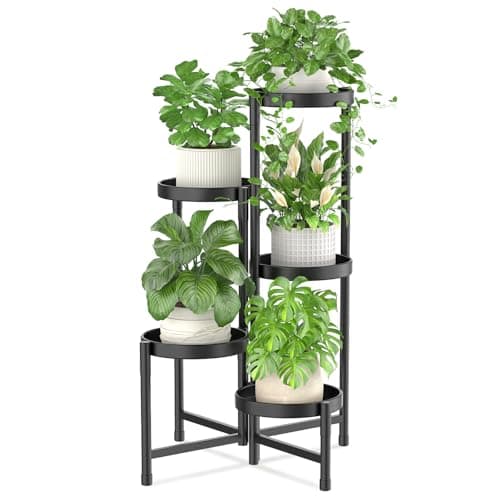
iDavosic.ly 5 Tier Metal Corner Plant Stand, folding
A staircase of five small shelves that turns one corner into five plant positions, which is the highest floor efficiency in this roundup.
- What the listing publishes
- 5 staggered tiers on a folding corner frame; no published weight rating
- Against a 10-inch pot
- No weight rating is published for this product, so there is nothing to check. That counts against it here rather than being treated as neutral.
Five positions on roughly a 17 by 17 inch footprint is about 2 square feet of floor for five plants, a little over two plants per square foot, and the best ratio of anything here.
The tiers are sized for 6 to 8 inch pots, not 10 inch ones. An 8-inch pot of saturated mix computes to about 7.5 lb, five of them to roughly 38 lb spread across the frame, which is a different question from 38 lb on one shelf.
The listing publishes no weight rating at all. That is common in this category and it is why this pick sits behind sized-and-rated products in the hanging and caddy roundups, where the numbers exist.
What is good
- Five plant positions on about two square feet of floor
- Folds apartment, which matters if you move every twelve months
- Staggered tiers keep the back plants visible instead of shadowed
What is not
- No published weight rating anywhere on the listing
- Tier depth suits 6 to 8 inch pots, not a 10 inch monstera
- A tall narrow frame in a corner is easy to catch with a vacuum
Skip it if your plants are already in 10 inch pots or bigger. This is a small-pot stand, and putting a 25 lb pot on the top tier of an unrated frame is exactly the guess this site exists to avoid.
2. The heaviest pot in the apartment
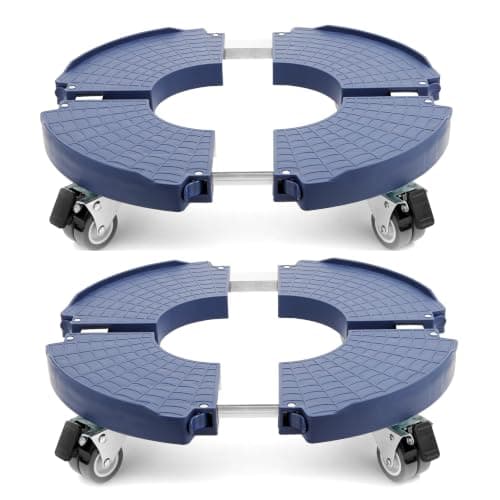
W B D WEIBIDA Plant Caddy with Wheels, 440 lb, adjustable 15 to 21 in
A published rating with an order of magnitude of headroom over anything an apartment actually holds, and adjustable arms so it fits the pot you already own.
#ad · Price as of October 18, 2026. How we are funded
- What the listing publishes
- Published 440 lb capacity; adjustable arms fit 15 to 21 inch pots
- Against a 10-inch pot
- Rated 440 lb against 14.7 lb of saturated mix in a 10-inch pot — 29.9x, clear of the 1.5x margin this site requires.
A 16-inch pot of saturated mix computes to about 60 lb. A 440 lb rating is roughly seven times that, the kind of margin that makes the number boring, and boring is what you want under a floor pot.
The adjustable 15 to 21 inch span is why this beats a fixed-diameter caddy. Pot diameters in this category are not standardized, and a caddy that fits one pot and not the next is a caddy you buy twice.
The rating is for the caddy as a unit on an apartment floor. It is not a claim about rolling a 400 lb load over a threshold, and no caddy listing means it that way.
What is good
- Publishes a real number, which most of this category does not
- Adjustable span fits pots from 15 to 21 inches
- Turns a pot you cannot lift into one you can move to clean behind
What is not
- Wheels lift the pot an inch or two, which matters under a low sill
- Adjustable arms are more parts to assemble than a solid tray
- Casters mark soft vinyl over time
Skip it if your pots are under 12 inches. You are paying for a rating you will never approach, and a 12-inch fixed caddy costs less and rolls the same.
3. A studio where nothing bigger fits
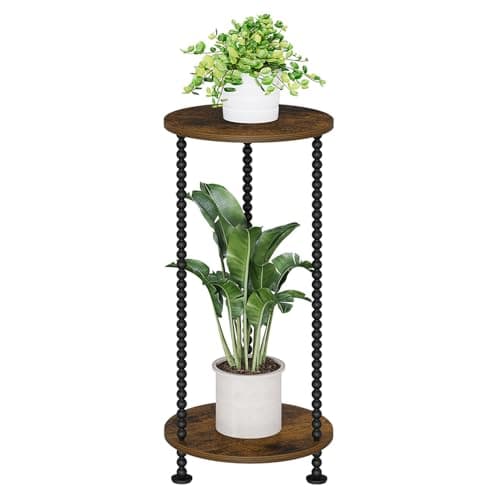
YINMIT 2 Tier Small Corner Plant Stand, 23.2 in tall
The smallest honest floor stand here: one square foot of floor, two positions, and it stops below the windowsill so it shades nothing.
#ad · Price as of October 18, 2026. How we are funded
- What the listing publishes
- 23.2 in tall, 2 tiers, spindle legs; no published weight rating
- Against a 10-inch pot
- No weight rating is published for this product, so there is nothing to check. That counts against it here rather than being treated as neutral.
At 23 inches it sits under almost every sill, so it adds plants without taking light from the ones already there. Tall stands in front of a window do the opposite.
Two positions on one square foot is two plants per square foot, the same ratio as the five-tier towers, in a form that fits a room you cannot rearrange.
Spindle legs concentrate the load on four small contact points. On carpet that is a dent; on a soft floor with a 12-inch pot on top it is worth putting a coaster under each foot.
What is good
- Fits where a tower does not
- Stays below the sill, so it shades nothing
- Two-plant footprint that still reads as furniture rather than a rack
What is not
- No published weight rating
- Only two positions
- Narrow feet mark carpet and vinyl
Skip it if you have the corner to spare. For the same floor a tiered frame gives you three more plants.
Everything in this category
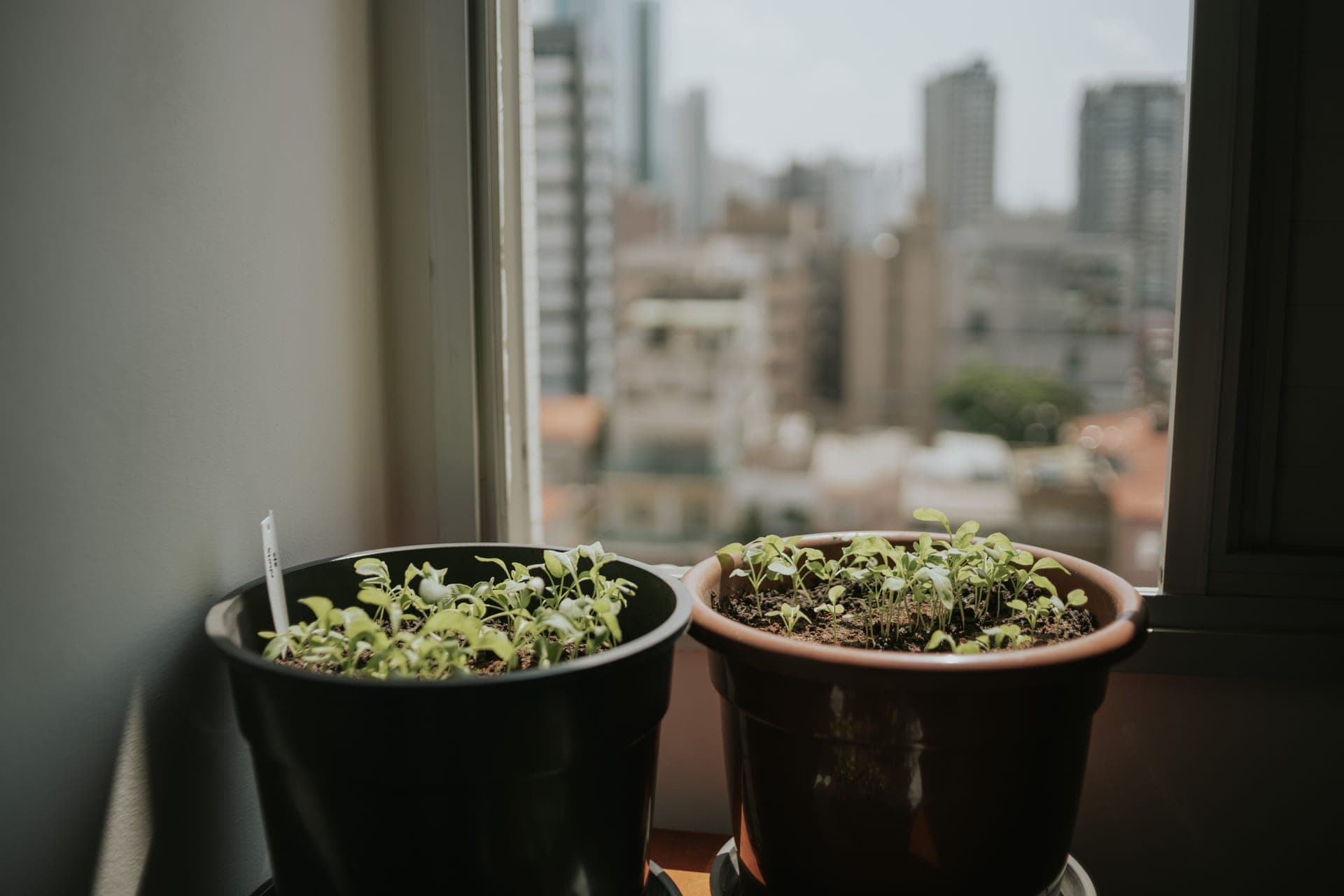
Best for small spaces
The Best Plant Stands for Small Spaces
Six tiered stands, ranked by plants per square foot with the pot sizes each tier will actually take.
Top pick: iDavosic.ly 5 Tier Metal Corner Plant Stand, folding
$32.99 · 15% off
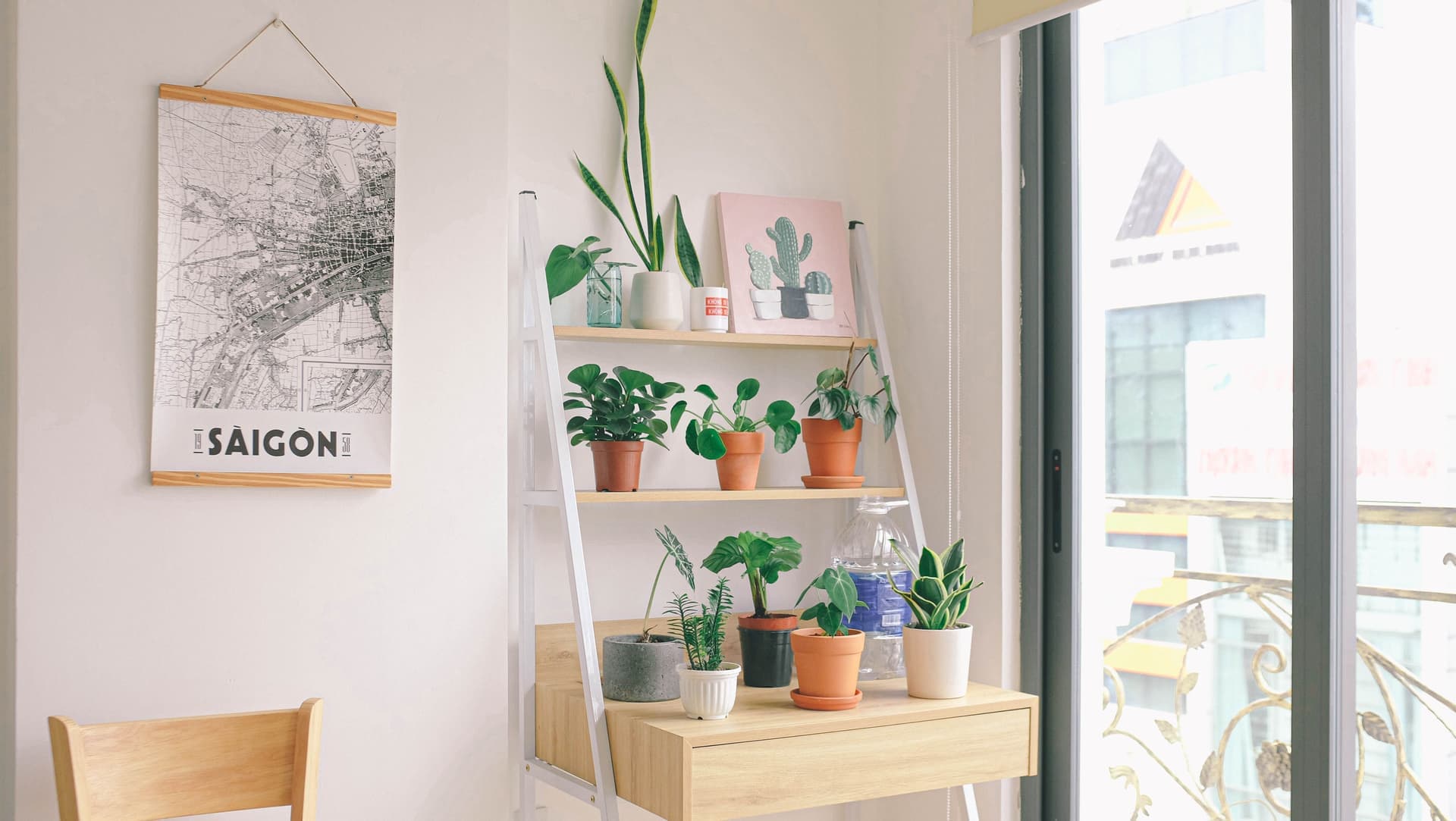
Best corner stand
The Best Corner Plant Stands
Six corner frames compared on tier spacing, footprint and the pot sizes they genuinely take.
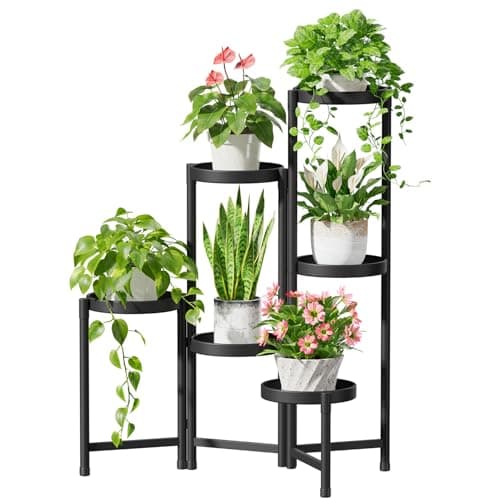
Top pick: iDavosic.ly 6 Tier Metal Corner Plant Stand, folding
$37.59 · 15% off
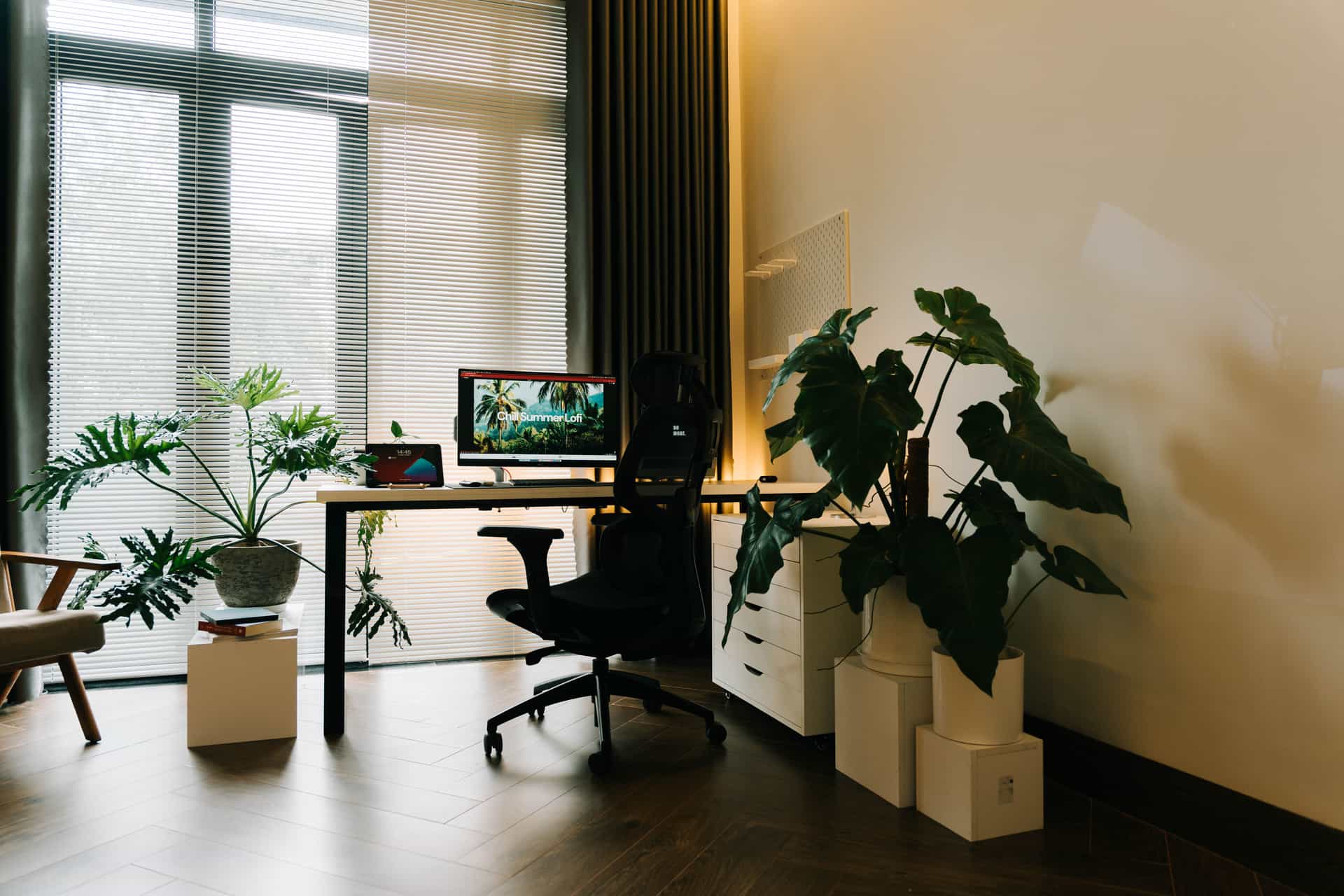
Best plant caddy
The Best Plant Caddies With Wheels
Five rolling caddies with published capacities from 264 to 500 lb, checked against computed pot weights.
Top pick: W B D WEIBIDA Plant Caddy with Wheels, 440 lb, adjustable 15 to 21 in
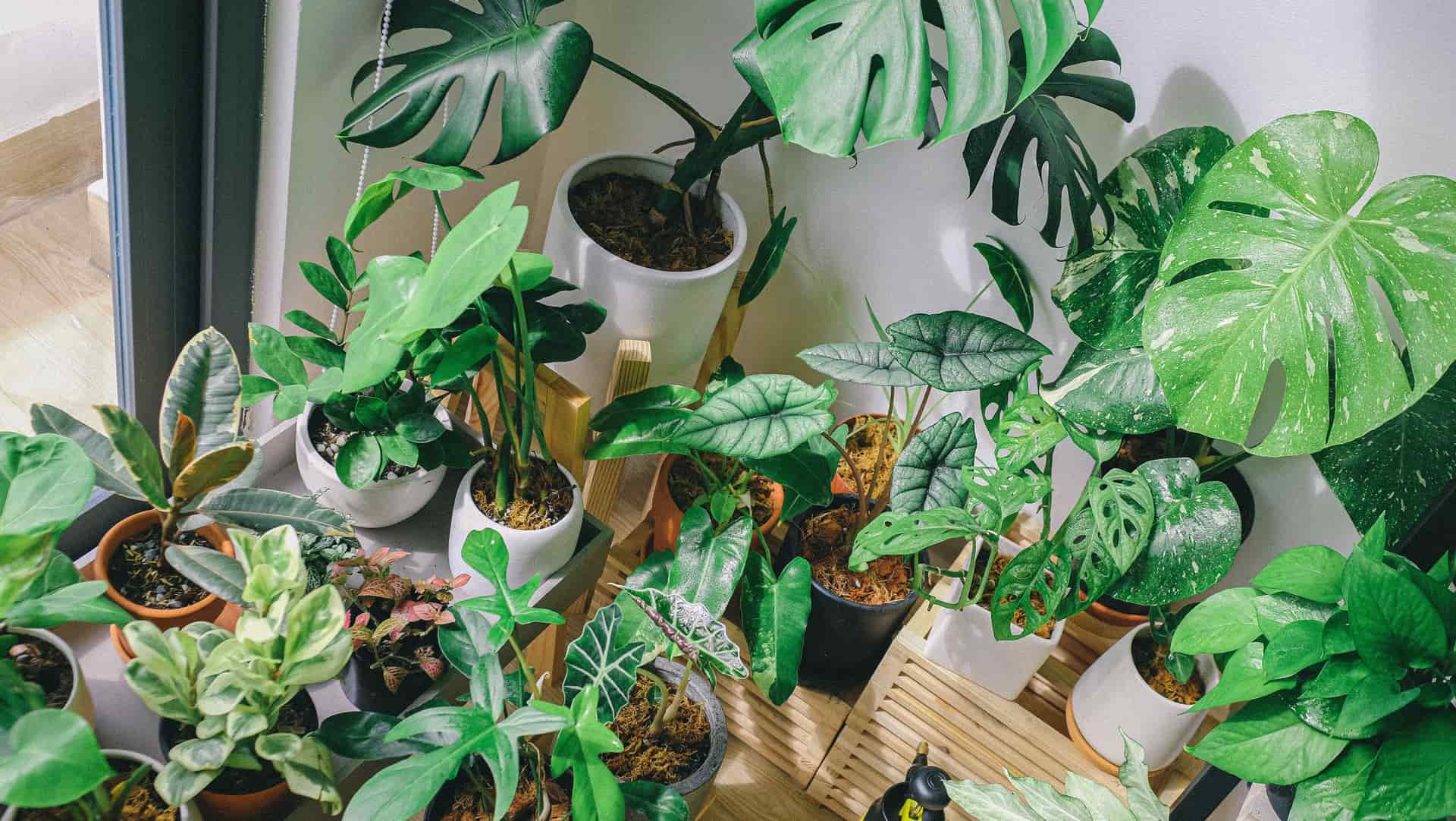
Best overall stand
The Best Plant Stands, Across Every Format
Six stands across five different formats, each with the buyer it is genuinely right for.
Top pick: iDavosic.ly 5 Tier Metal Corner Plant Stand, folding
$32.99 · 15% off
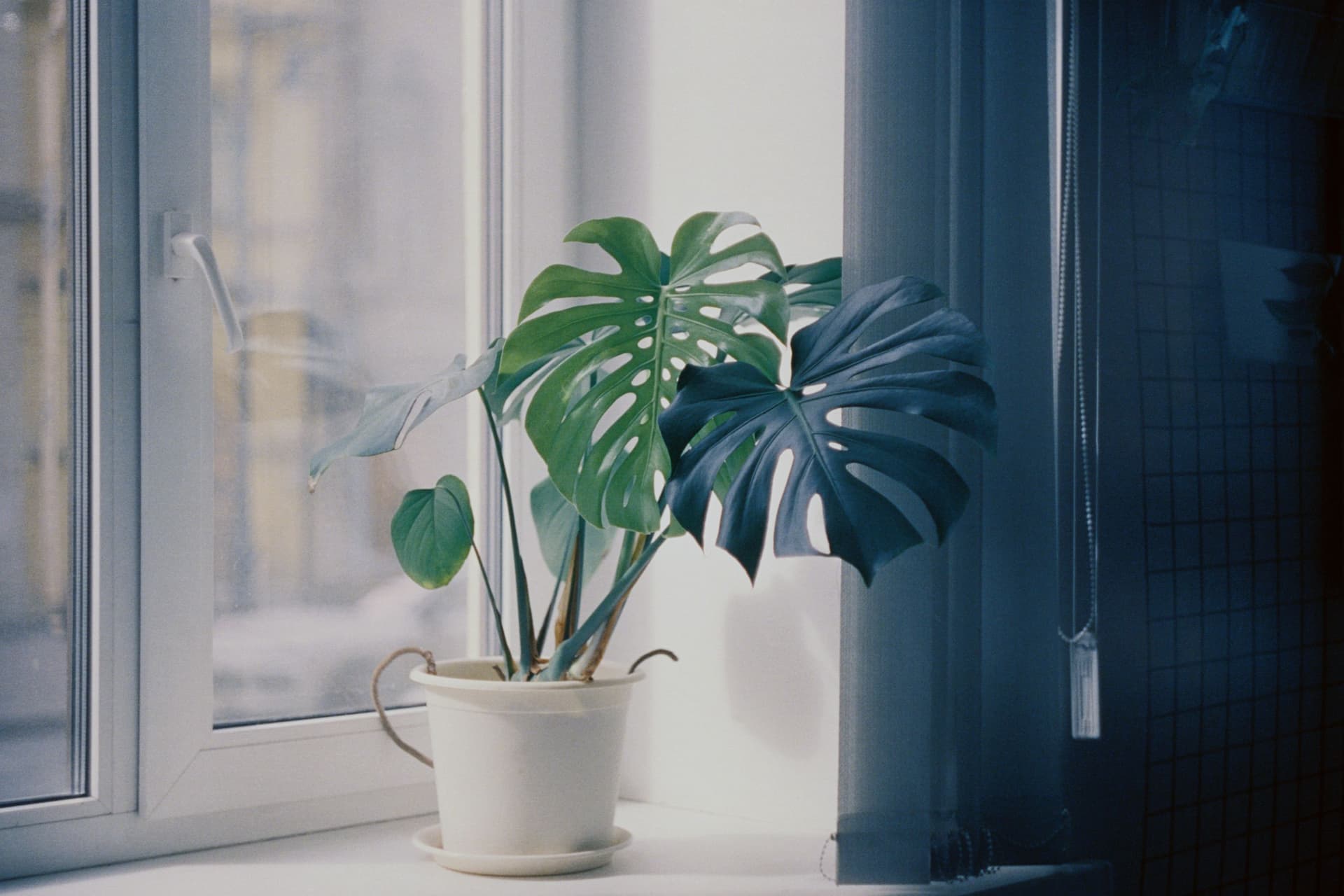
Best for large plants
The Best Plant Stands for Large Plants
Four picks for 12 inch pots and up, where computed weight makes most of this category unsuitable.
Top pick: W B D WEIBIDA Plant Caddy with Wheels, 440 lb, adjustable 15 to 21 in
Head to head
Corner Plant Stand vs Tiered Shelf
Which shape wins depends on the wall you have. The verdict, with the numbers behind it.
Head to head
Plant Stand vs Plant Riser
Two products with similar names solving completely different problems. Which one you actually need.
Head to head
Plant Stand or Side Table?
The honest trade between a purpose-built plant stand and a side table, stool or pedestal, measured in plants per square foot and in what else the surface does.
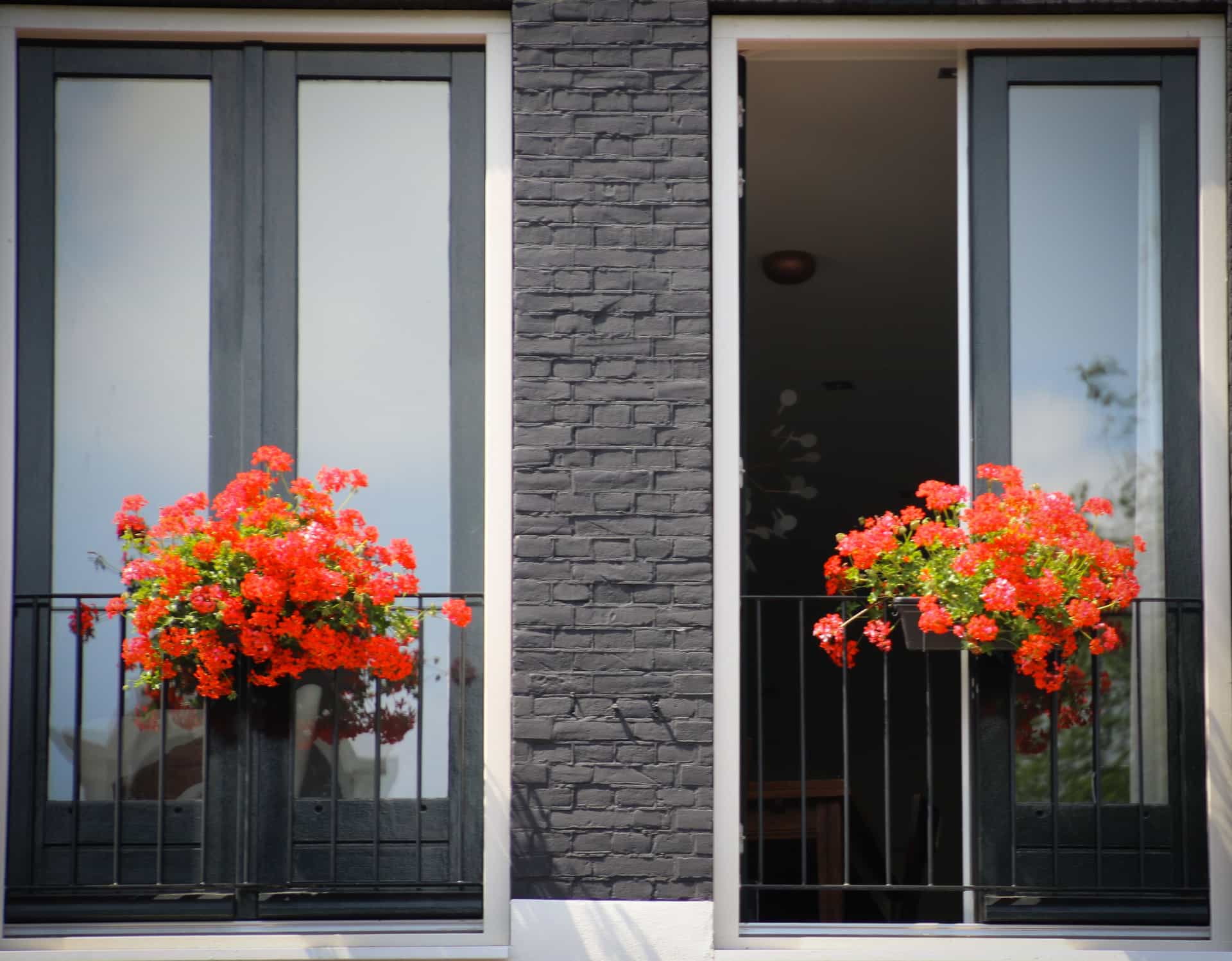
Best for a balcony
The Best Plant Stands for Balconies
Weatherproof metal balcony racks ranked by published weight capacity, published depth and whether they fold away out of season.
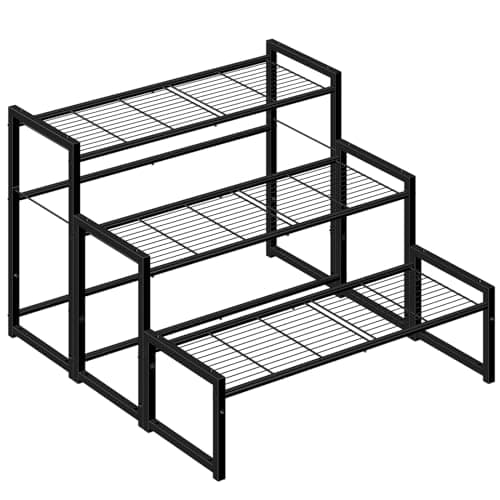
Top pick: Simple Trending 3 Tier Stackable Metal Plant Stand, published 150 lb, 27.25 by 10 in
$41.97 · 14% off
Best for a living room
The Best Plant Stands for a Living Room
Plant stands that read as furniture in a living room, ranked on footprint, tier spacing and what each shelf has to hold, with pot weights computed.
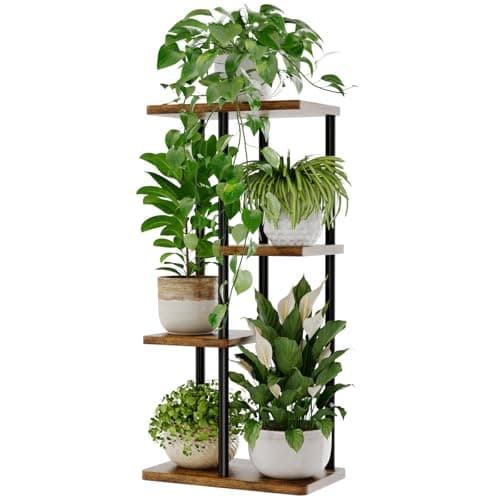
Top pick: Bamworld 4 Tier Corner Metal Plant Shelf, brown
$22.99 · 13% off
Best cheap plant stand
The Best Cheap Plant Stands
Budget plant stands ranked on what is missing at the price, with the computed pot weights that decide whether the missing rating matters.
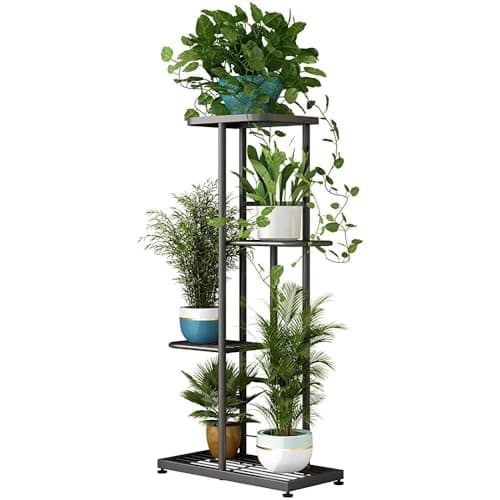
Top pick: LINZINAR 4 Tier Metal Flower Pot Display Shelf, 5 pots
Best wooden plant stand
The Best Wooden Plant Stands
Wooden plant stands ranked on stated material, published load and how the construction handles water, with the pot weights to check them against.
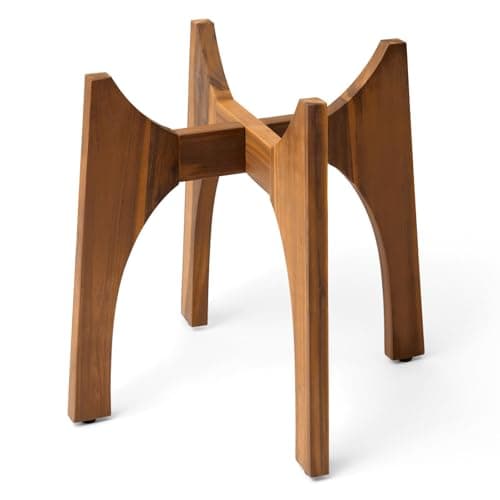
Top pick: KUTE NEST Solid Acacia Plant Stand, 17 in tall, 19.3 in wide
The guides behind these picks
The arithmetic and the reference tables the recommendations on this page are built from. All of it is on the methodology page too, in one piece.
Guide
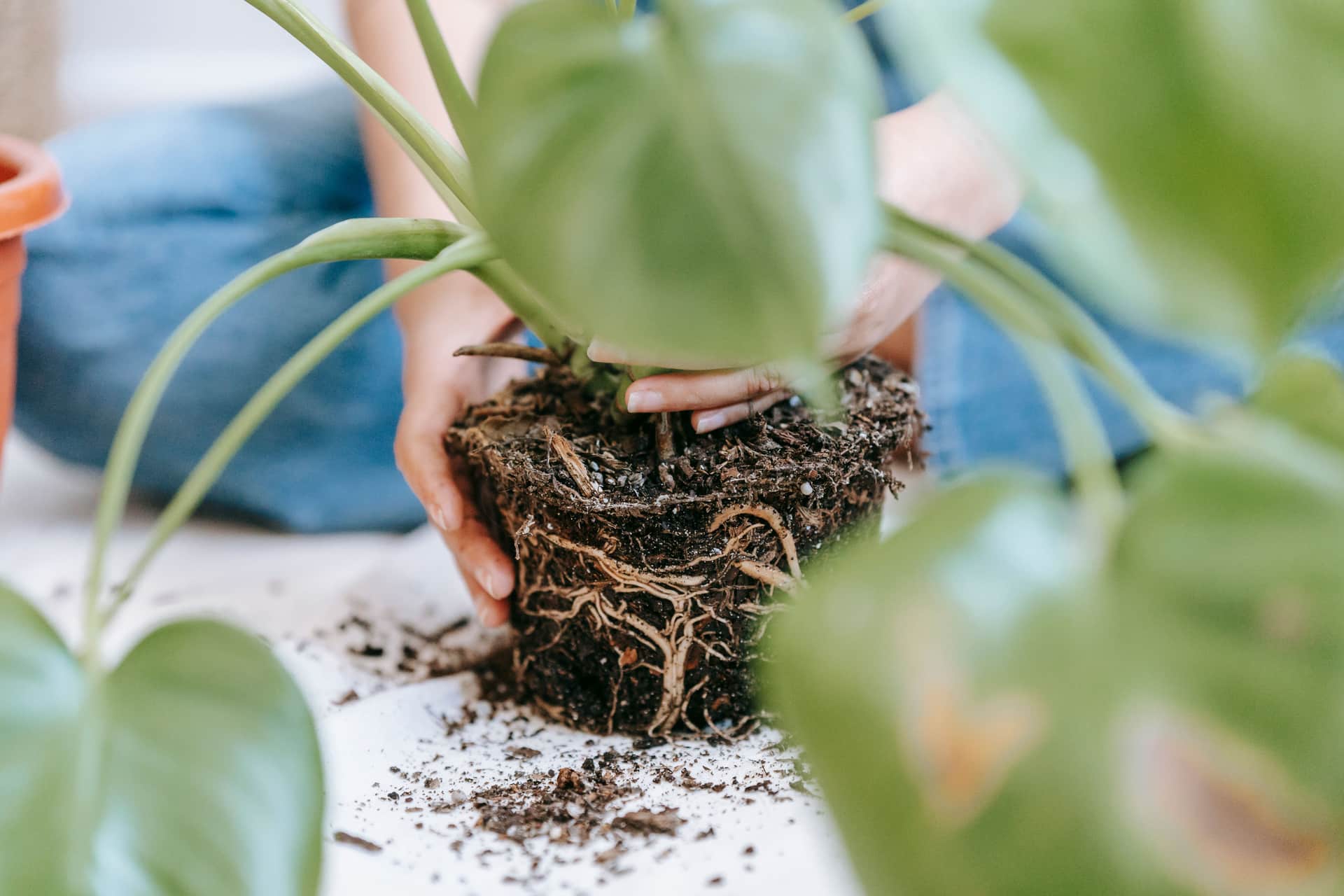
How Much Does a Potted Plant Weigh?
Computed potting mix weight by pot size, dry and saturated, with the pot-volume model and the published density figures it uses.
Guide
Footprint, Slots and Plants per Square Foot
Plant positions per square foot of floor by stand type, computed from published dimensions, with the shapes that win and the ones that do not.
Guide
How to Organize Plants in a Small Apartment
A room-by-room method for fitting more plants into a small apartment, built around light first, vertical second and floor last.
Guide
Plant Stand Ideas for Small Spaces
Eight underused positions in a small apartment, each matched to a stand shape, a footprint and a realistic pot size.
Questions people actually ask
How much weight can a plant stand hold?
How many plants fit on a plant stand?
Are plant stands with wheels a good idea?
Will a plant stand damage my floor?
Sources
- Cornell University, Greenhouse Management: bulk density of greenhouse media components
- Biology Insights: how much a cubic foot of potting soil weighs, dry and saturated
- Clemson HGIC: Indoor Plants — cleaning, fertilizing, containers and light requirements
Product specifications are quoted from each seller's own listing and are the seller's claim, not a measurement of ours.