Planters
The Best Pots for a Money Tree
Its name says aquatica and its care sheet says standing water causes root rot. That contradiction is why so many of these die in pretty pots.
By Scooter M., enthusiast · Published
The short answer
Buy a heavy pot with a real drainage hole and a saucer, one size up from the nursery pot it came in, and do not buy a self-watering pot. NC State's entry for Pachira aquatica is specific: it prefers moist, well-drained potting mix and standing water is not tolerated and can cause root rot. The same source puts it at six to eight feet tall indoors with a rapid growth rate, so the pot has a second job — ballast under a tall trunk. A 10-inch glazed ceramic pot suits most money trees sold as houseplants; go to 12 or 14 inches only once the plant is genuinely tall. The alternative that often wins: leave it in its plastic nursery pot and drop that inside a basket, so you can lift it out to water and never leave it sitting in runoff.
Disclosure Pot & Prop earns a commission when you buy through the Amazon links on this page, at no extra cost to you. It does not change which products get recommended or what we say about them, and we have not been given any of them. How this site is funded.
A money tree is one of the most common plants sold as a gift and one of the most commonly killed, and the mechanism is almost always the same: it arrives in a plastic nursery pot inside a decorative outer with no hole, gets watered in place, and sits in the water that collects underneath for the next six weeks.
The plant's own name works against it here. Pachira aquatica grows beside water in its native range and the species name encourages exactly the wrong instinct. NC State Extension's entry is blunt about the container version: it prefers moist, well-drained potting mix of peat moss, perlite, loam or sand, and standing water is not tolerated and can cause root rot.
Moist but drained is a narrower target than it sounds
Most of this site's planter pages argue for pots that help a plant dry out, because most common houseplants want that and the commonest cause of death is overwatering. A money tree is a partial exception and the distinction is worth being precise about: it wants the mix to stay moist between waterings, and it wants the excess gone within minutes of watering. Those are not in conflict — they are a specification for the pot.
| Pot | Holds moisture | Excess leaves | Verdict |
|---|---|---|---|
| Glazed ceramic with a hole and saucer | Yes | Yes, if you empty the saucer | The default; what the top picks are |
| Plastic nursery pot inside a basket | Yes | Yes, when you lift it out | Often the best answer, and the cheapest |
| Unglazed terracotta | Dries fast through the wall | Yes | Workable, but fights the moist half of the brief |
| Self-watering reservoir pot | Continuously | No | The specific thing the published guidance rules out |
| Decorative pot, no hole | Yes | No | How most of these plants die |
That third row is the one that distinguishes this page from most of the planters section. Terracotta is this site's usual recommendation and it is not the recommendation here — a porous wall is a feature for a plant that wants to dry out and a mild liability for one that does not. The material comparison is here and this is the plant that reads it differently.
And the fourth row is not a close call. A reservoir keeps the bottom of the root ball permanently wet, which is the condition NC State describes as not tolerated. Whatever this site says elsewhere about self-watering pots suiting a peace lily, it does not transfer. The self-watering argument in full.
A fast six-to-eight-foot tree is a weight problem
NC State puts a money tree at no more than six to eight feet tall as a houseplant, lists its growth rate as rapid, and tags it as fast growing. Those three facts together mean the pot you buy is likely to be carrying a considerably larger plant within a couple of years than the one you are repotting today — which is an argument for buying the next size up rather than the next two.
| Pot size | Mix volume | Dry | Watered | Rating needed |
|---|---|---|---|---|
| 10 in | 0.268 cu ft | 5.9 lb | 14.7 lb | 23 lb |
| 12 in | 0.463 cu ft | 10.2 lb | 25.5 lb | 39 lb |
| 14 in | 0.735 cu ft | 16.2 lb | 40.5 lb | 61 lb |
Two practical consequences come out of that table. The first is floor load, and it is why this site has a whole guide to what a potted plant weighs: a 14-inch pot of watered mix is a substantial weight on one spot of an apartment floor, before the plant and the pot are counted.
The second is that you will want to move it, because the plant needs turning — NC State describes Pachira as preferring indirect sunlight or a mix of sun and shade, with leaf scorch possible from direct sun, so the ideal spot is a bright room rather than a window, and that spot tends to move with the seasons. A pot at 14 inches is a two-person lift once watered, which is the argument for a plant caddy rather than for a smaller pot.
The nursery pot route, which is genuinely competitive
Most money trees arrive in a plastic nursery pot that is correctly sized, full of holes, and ugly. The standard move is to repot into something attractive. The better move, for this plant more than most, is to keep the nursery pot and buy the attractive thing to put it inside.
- You can lift it out to water, which means the excess genuinely leaves and nothing stands in runoff — the single failure NC State's entry warns about.
- You can see the root ball without disturbing it, and clear nursery pots make that easier still.
- No transplant shock, which matters for a plant frequently repotted in its first month in a new home for purely decorative reasons.
- A basket costs less than a large ceramic pot and weighs nothing, which helps when you are moving a tall plant to chase indirect light.
- The catch: a basket adds no ballast at all, so a genuinely tall top-heavy specimen eventually wants the weight of a real pot under it. The cachepot page covers the arrangement in full.
Sizing, and the one thing not to do
Go up one size at a time. A money tree sold as a tabletop plant is usually in a 6-inch nursery pot and wants 8 to 10 inches next; a floor specimen at three or four feet is a 12-inch plant; the six-to-eight-foot version NC State describes is at 14 inches or more and is a two-person object.
What not to do is put a small plant in a big pot in anticipation of the growth rate. The excess mix holds water nothing is drinking, which for a species whose published failure mode is root rot from standing moisture is the worst available error. The sizing rule is on the pot size chart.
| Your plant | Buy | Why |
|---|---|---|
| Tabletop, in a 6 in nursery pot | Keep the nursery pot, add a basket | Lift out to water; no repotting shock; cheapest |
| Outgrown the nursery pot, 2-3 ft | 10 in glazed ceramic | Holds moisture, drains, and adds ballast |
| Floor plant, 3-4 ft | 12 in ceramic with saucer | The next step up, with a matched saucer to empty |
| Tall specimen, 5 ft or more | 14 in full-depth cylinder | Depth and mass under a tall braided trunk |
| Repotting several plants at once | Clear nursery pots | Correctly holed, cheap, and you can see the roots |
| Pot you own has no saucer | Clear saucers | Because the excess has to go somewhere and then be emptied |
Quick picks
Ranked, with the published figure each pick turns on. Tap a row for the full reasoning further down this page.
| # | Product | Best for | Price |
|---|---|---|---|
| 1 | 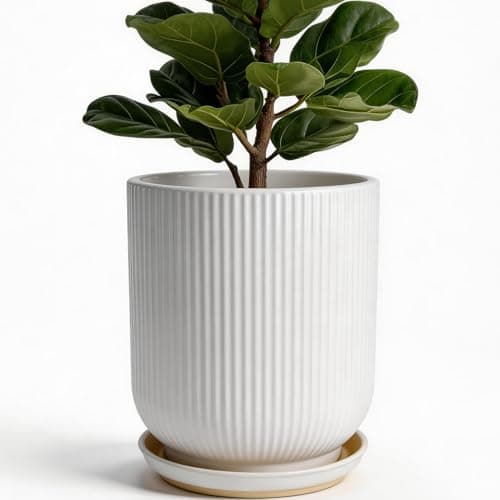 Deep Dream 10 in Ceramic Pot, tall profile, drainage hole and saucerGlazed and heavy, which is the right trade for a plant that wants moist mix and a low center of gravity. | A money tree that has outgrown its nursery pot | $41.39 at Amazon $45.99 · 10% off |
| 2 | 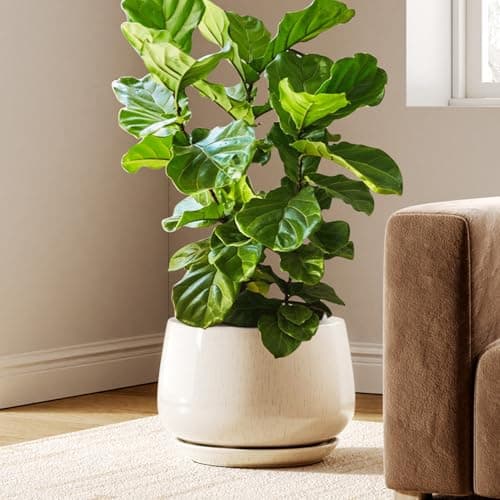 LE TAUCI 12 in Ceramic Planter with Drainage and SaucerA 12-inch glazed pot with a hole and a saucer, which is the size where the weight conversation starts and most people have not had it. | A floor plant in something that is not plastic | $84.99 at Amazon $89.99 · 6% off |
| 3 | 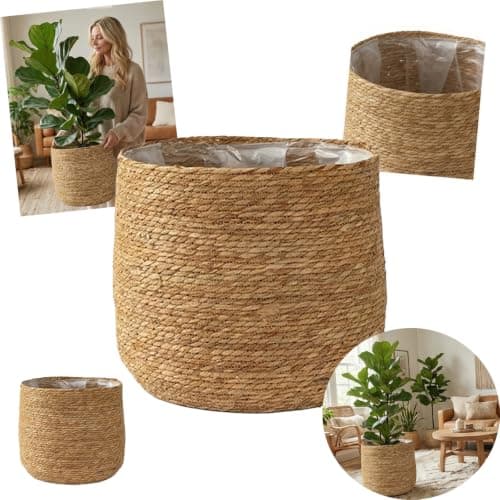 Woven Seagrass Planter Basket, 11.8 in, with plastic linerThe liner is the entire product. A woven basket without one wicks water into the weave and onto the floor; this one publishes that it arrives with a seamless liner fitted. | A floor plant, where a ceramic cover would be too heavy to move | |
| 4 | 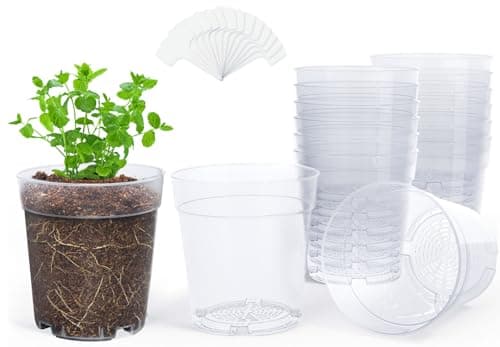 homenote 6.7 in Clear Plastic Nursery Pots with Drainage, 15 packClear walls, which turn the one variable you cannot otherwise check, what the roots are doing, into something you can just look at. | Watching roots instead of guessing | |
| 5 | 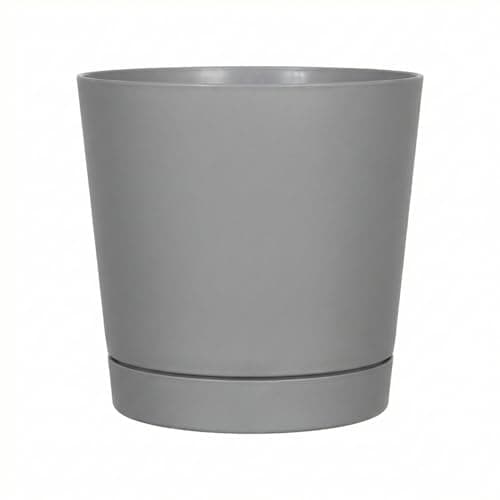 Root & Vessel 14 in Full Depth Cylinder Pot with built-in trayA full-depth cylinder rather than the usual tapered pot, which is the right shape for a plant with a deep root system and the wrong one for a shallow-rooted plant. | A deep root run for a tall floor plant | $28.99 at Amazon $31.99 · 9% off |
| 6 | 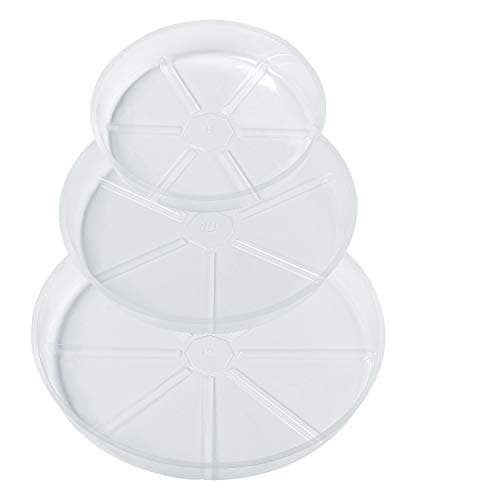 Idyllize Clear Plant Saucers, 6, 8 and 10 in, 15 packFifteen saucers in the three sizes that cover almost every pot in a normal apartment, which is a cheaper fix for a floor than a new pot is. | Fixing the pots you already own |
Links to Amazon are affiliate links. Prices and availability are Amazon's and change without notice.
How we ranked these
On drainage first, because that is the published failure mode, then on mass, then on the size most readers are actually repotting into. The 10-inch glazed ceramic leads because it is the size most money trees sold as houseplants need next and because glazed ceramic holds moisture between waterings while a published drainage hole lets the excess go — the two halves of the brief in one pot. The 12-inch ceramic is second as the same reasoning one size up, for a plant already on the floor. The basket with a plastic liner is third and is genuinely the best answer for a lot of people, held there only because it adds no ballast under a tall plant. The clear nursery pots are fourth and are the pot the plant probably already has, bought properly: a mesh of holes and a transparent wall. The 14-inch full-depth cylinder is fifth for the large specimen NC State's upper height describes. The clear saucers are last and are not optional — a pot with a hole and no saucer just moves the standing water onto your floor.
What we deliberately do not recommend
A self-watering pot, for a plant whose published entry says standing water is not tolerated. A decorative pot with no drainage hole, which is how most of these plants are killed and which no amount of careful watering fixes. Unglazed terracotta as a first choice, because it fights the moist half of the brief — it is not wrong, it is just not the right default here. Going up two pot sizes because the plant grows fast. Leaving the saucer full after watering. And applying jade or succulent advice to this plant because a shop labelled it a money plant: they are unrelated species with opposite requirements, and the jade page is one click away.
Every pick, in full
We have not handled any of these. What follows is what each listing publishes, what that means once you put a watered pot on it, and who should buy something else.
1. A money tree that has outgrown its nursery pot
Deep Dream 10 in Ceramic Pot, tall profile, drainage hole and saucer
Glazed and heavy, which is the right trade for a plant that wants moist mix and a low center of gravity.
- What the listing publishes
- Published 10 in; tall profile; glazed ceramic; drainage hole with matched saucer
- Against a 10-inch pot
- No weight rating is published for this product, so there is nothing to check. That counts against it here rather than being treated as neutral.
A money tree is the opposite brief to a jade. NC State describes Pachira aquatica as preferring moist, well-drained mix and not tolerating standing water, which means you want a pot that holds moisture between waterings but still has somewhere for the excess to go — a glazed wall with a real hole, rather than porous clay that dries it out.
The second reason to buy glazed ceramic here is mass. The same source puts the plant at six to eight feet indoors with a rapid growth rate, and a fast-growing tree on a narrow base is a tipping problem that the pot's own weight is the cheapest fix for.
The listing publishes a diameter, a profile and a drainage hole, and no weight figure. That is the category norm and it is why the pot's mass has to be inferred from the material rather than read off the page.
What is good
- Glazed wall holds moisture between waterings, which is what Pachira is described as wanting
- Published drainage hole and saucer, so excess water has an exit
- Ceramic mass lowers the center of gravity under a tall trunk
What is not
- The listing publishes no weight, so the ballast claim rests on the material
- Glazed ceramic forgives overwatering far less than clay does
- A 10-inch ceramic pot of wet mix is heavy to move, which is the flip side of wanting it heavy
Skip it if your money tree is still the supermarket size in a 6-inch nursery pot. Drop that pot into a basket and lift it out to water; moving a small plant into a 10-inch pot is the over-potting mistake.
2. A floor plant in something that is not plastic
LE TAUCI 12 in Ceramic Planter with Drainage and Saucer
A 12-inch glazed pot with a hole and a saucer, which is the size where the weight conversation starts and most people have not had it.
- What the listing publishes
- 12 in ceramic, drainage hole and saucer included
- Against a 10-inch pot
- No weight rating is published for this product, so there is nothing to check. That counts against it here rather than being treated as neutral.
12 inches of saturated mix computes to about 25.5 lb before the pot itself, and a glazed ceramic pot this size is not light empty. This is a floor pot, not a shelf pot, and putting it on an unrated tiered stand is the mistake this site is built around.
It is also the size at which you stop moving the plant. A rated caddy underneath is the difference between cleaning behind it twice a year and never.
The saucer is included, which at 12 inches is worth real money. Large saucers are priced oddly high when bought alone.
What is good
- Drainage hole and saucer at a size where both are usually extra
- Glazed, so it does not sweat onto the floor
- Heavy enough not to be knocked over
What is not
- About 25.5 lb of saturated mix before the pot's own weight, so floor only
- Ceramic at this size is genuinely fragile in a move
- Slow-drying for plants that want to dry out
Skip it if you were planning to put it on a tiered stand. None of the tiered stands here publish a weight rating, and this is the pot that finds out.
3. A floor plant, where a ceramic cover would be too heavy to move
Woven Seagrass Planter Basket, 11.8 in, with plastic liner
The liner is the entire product. A woven basket without one wicks water into the weave and onto the floor; this one publishes that it arrives with a seamless liner fitted.
#ad · Price as of October 18, 2026. How we are funded
- What the listing publishes
- Published 11.8 by 11.8 in (30 by 30 cm), stated to fit standard 10 to 12 in nursery pots; seagrass and jute weave with a pre-fitted seamless plastic inner liner; stated lightweight
- Against a 10-inch pot
- No weight rating is published for this product, so there is nothing to check. That counts against it here rather than being treated as neutral.
Baskets are the standard answer for floor plants because a 12-inch ceramic cover is a two-hand object and a basket is not. The catch has always been that seagrass is absorbent, so the water that runs out of the nursery pot ends up in the weave and then on the floorboards.
A fitted plastic liner solves that, and this listing states it comes pre-fitted and seamless rather than as a loose bag you are expected to source. It is the difference between a planter cover and a laundry basket with a plant in it.
Sizing is published and generous: 11.8 inches square, stated to take 10 to 12-inch nursery pots. That is genuine floor-plant territory — a fiddle leaf fig or a large monstera in its grower pot.
What is good
- Publishes its dimensions and the nursery pot range it takes
- Plastic liner fitted, stated seamless
- Light enough to move a floor plant without emptying it
What is not
- The liner holds runoff with no way to see the level
- Seagrass frays at the rim with repeated dragging
- Natural fiber in a damp corner is not a permanent material
Skip it if the plant sits on carpet you cannot lift it off. A basket you cannot tip out is the worst place for invisible standing water.
4. Watching roots instead of guessing
homenote 6.7 in Clear Plastic Nursery Pots with Drainage, 15 pack
Clear walls, which turn the one variable you cannot otherwise check, what the roots are doing, into something you can just look at.
#ad · Price as of October 18, 2026. How we are funded
- What the listing publishes
- 6.7 in clear plastic with drainage holes, 15 per pack
- Against a 10-inch pot
- No weight rating is published for this product, so there is nothing to check. That counts against it here rather than being treated as neutral.
The reason to use a clear nursery pot inside an opaque cachepot is diagnostic: you can see root growth, you can see when water has actually reached the bottom, and you can see rot before the leaves tell you.
Fifteen pots is a whole shelf and a propagation run's worth of potting-up, at a per-pot price no ceramic reaches.
They are not attractive. They are meant to sit inside something else, which is also the arrangement that keeps a decorative pot with no drainage hole from killing a plant.
What is good
- Root visibility that no other pot format gives you
- Fifteen pots at nursery pricing
- The correct inner pot for a decorative cachepot with no hole
What is not
- Ugly on their own
- Algae grows on the inside of a clear pot in a bright window
- Thin plastic flexes when you lift a wet one
Skip it if you want the pot to be the visible object. These are working pots and they look it.
5. A deep root run for a tall floor plant
Root & Vessel 14 in Full Depth Cylinder Pot with built-in tray
A full-depth cylinder rather than the usual tapered pot, which is the right shape for a plant with a deep root system and the wrong one for a shallow-rooted plant.
- What the listing publishes
- Published 14 in; full-depth cylinder profile; built-in tray; lightweight plastic with a glossy finish; stated made in the USA
- Against a 10-inch pot
- No weight rating is published for this product, so there is nothing to check. That counts against it here rather than being treated as neutral.
Most decorative pots are tapered, which means a 14-inch pot holds noticeably less soil than its diameter suggests. A full-depth cylinder holds more — around a third more than this site's standard tapered model predicts, so expect it to be heavier than the 40.5 lb figure for a tapered 14-inch pot.
That extra depth is a real advantage for a tall plant that needs a deep root run and anchorage, and a real disadvantage for anything shallow-rooted, where the extra volume is mix no root reaches.
The built-in tray removes the mismatched-saucer problem at a size where saucers are hard to find and expensive.
What is good
- Built-in tray, so nothing to match separately
- Full depth suits deep-rooted floor plants
- Light for its size
What is not
- Deeper means heavier when watered than a tapered pot the same width
- Wrong shape for snake plants, succulents and other shallow-rooted plants
- Glossy plastic finish
Skip it if the plant is shallow-rooted. Depth it will not use is mix that stays wet.
6. Fixing the pots you already own
Idyllize Clear Plant Saucers, 6, 8 and 10 in, 15 pack
Fifteen saucers in the three sizes that cover almost every pot in a normal apartment, which is a cheaper fix for a floor than a new pot is.
#ad · Price as of October 18, 2026. How we are funded
- What the listing publishes
- Published five each of 6, 8 and 10 in; clear plastic, stated lightweight and durable
- Against a 10-inch pot
- No weight rating is published for this product, so there is nothing to check. That counts against it here rather than being treated as neutral.
The commonest reason a plant lives in a pot with no drainage is that the owner has no saucer for it. Fifteen saucers removes that reason for a whole collection at once.
Clear saucers show standing water, which is the thing you actually need to see. An opaque saucer with two inches of water in it looks exactly like an empty one.
A saucer is only half the answer. A pot sitting flat in its own drainage wicks it back up, so pair these with pot feet.
What is good
- Covers three common pot sizes in one order
- Clear, so standing water is visible
- Cheaper than replacing a single pot
What is not
- Thin plastic cracks if a heavy pot is dragged across it
- Clear plastic clouds over a couple of years
- Does not solve wicking on its own
Skip it if all your pots are already in cachepots. A cachepot is a saucer with sides, and stacking a saucer inside it just hides the water.
Questions people actually ask
What kind of pot is best for a money tree?
Do money trees need drainage holes?
Should I use a self-watering pot for a money tree?
What size pot does a money tree need?
Is a money tree the same as a jade plant?
Why are my money tree's leaves turning yellow?
Does a money tree need direct sunlight?
Sources
- NC State Extension Plant Toolbox: Pachira aquatica (money tree)
- Clemson HGIC: Indoor Plants — cleaning, fertilizing, containers and light requirements
- Cornell University, Greenhouse Management: bulk density of greenhouse media components
- Biology Insights: how much a cubic foot of potting soil weighs, dry and saturated
Product specifications are quoted from each seller's own listing and are the seller's claim, not a measurement of ours.